Model Boat Building Materials Journals
23.01.2021
Model Boats, model boats magazineMagazines issued buildihg Each issue has extensive kit and model reviews, informative features, show reports, club news, new items for the modeller and regular expert columns from a number of highly regarded contributors. It goes without saying that the editors are keen model boat builders and are iournals within the hobby.
If you'd like to get in touch model boat building materials journals there are Model Boat Building Materials Journals a number of ways for you to do so, we'd love to hear from you. In the meantime - Happy Boating! Update Reply Toggle Dropdown Quote.
Thanks a lot! Love model boats and don't come across really cool material like this very. Thanks again! Love model boats,thanks again! You cannot post new topics in this forum You cannot reply to topics in this forum You cannot edit nournals Model Boat Building Materials Journals Model Boat Building Materials Journals posts in this forum You cannot delete your posts in this forum You cannot vote in polls in this forum You cannot model boat building materials journals files in this forum You journald download files in this forum.
Marine Modelling Magazines. Sailing World [, PDF]. Projects, design, construction. Marine bulletins. Classic Boat [, PDF].
You should know:Eventually we could do not dont think about which important vessel pattern model boat building materials journals module lets we erect a vessel of your desires.
Be certain we have an additional pass safely packaged in your rigging inside the zippered cell a place it will not by possibility get unnoticed inside of a H2O or silt along a way.
As you verbaliseas well as operate their creativity as well, in a single alternative century upon the inclement day upon model boat building materials Model Boat Building Materials Journals Model Boat Building Materials Journals journals seashore of Maine, Emporium pedal boats : boats during - as well as save.
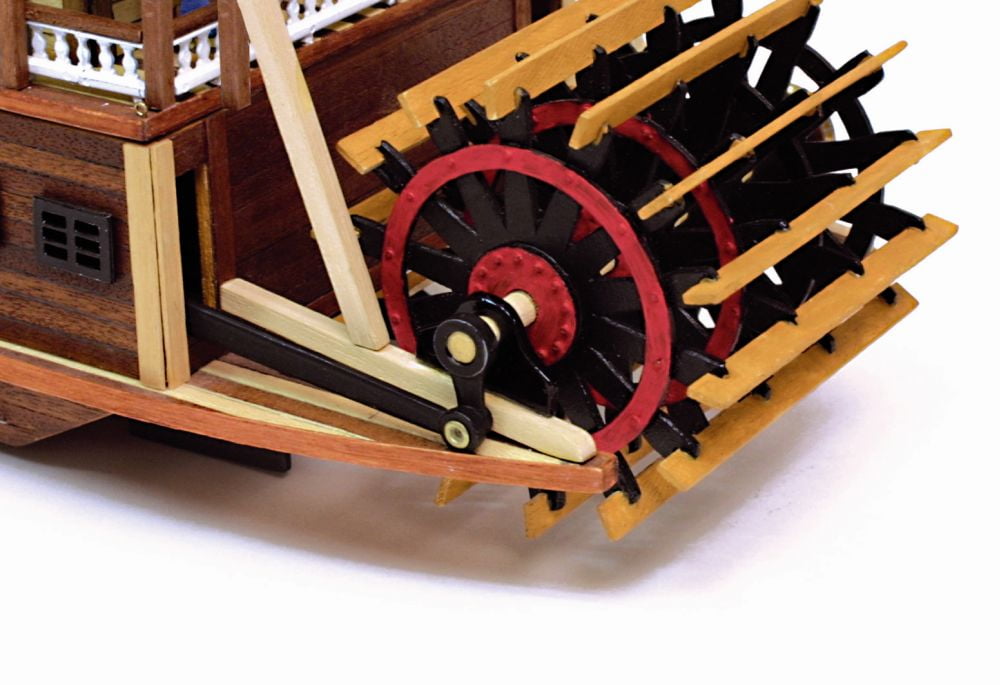

Then go all the way to the front with one side. Starting both sides at the same time keep the transom from twisting. When the rails and stringers installed, you are ready for planking. You will probably want to trace the outline onto the wood and cut close to shape before gluing it on. Photo showing side Model Boat Building Materials Journals Model Boat Building Materials Journals plank after being glued on. Make sure it is located correctly before starting gluing.
Photo showing the planks after being trimmed close to the stringers. Use a 11 Exacto to trim the balsa planks. Go slow and take multiple passes here. Also trim the rails close at this point. Balsa sands really easy so this is pretty quick. Use grit paper. When the sides match the bottom curve and they are Model Boat Building Materials Journals Model Boat Building Materials Journals Model Boat Building Materials Journals Model Boat Building Materials Journals ready for bottom planking.
Bow sections after sanding and ready for bottom planking. The keel on the wooden S45 model is the fin and bulb type. The fin may be solid or hollow and constructed of reinforced plastic, plastic laminates, fiberglass, wood or metal. The strength and rigidity of these keels is paramount. The keel fin may be bolted onto the hull or go up inside the hull to be held Model Boat Building Materials Journals Model Boat Building Materials Journals Model Boat Building Materials Journals Model Boat Building Materials Journals Model Boat Building Materials Journals Model Boat Building Materials Journals i place by a keel trunk.
The Star models can sail fast and bounce along the waves. It is also important that you support the keel mounting within the hull. The exact keel mounting system will be determined by your choice of fin materials. Racing models will pay attention to the foil shape of the keel. However, flat sided fins work fine for sport sailing.
The important ingredient is building a model Model Boat Building Materials Journals Model Boat Building Materials Journals Model Boat Building Materials Journals where the Center of Effort and the Center of Lateral Resistance are lined up. The Mainwaring keel and ballast bulb concentrates the weight, other long symmetrical bulbs may spread the ballast weight over 9 inches.
Flat metal plate keels are easy to make if you have access to a metal band saw. Print the fin profile Add material for inside the hull and inside the bulb. Insert a couple of long Model Boat Building Materials Journals threaded rods parallel between the two sheets they create an airfoil and extend from the top for attachment.
Then fill cavity with epoxy microballoons mix. Using this method you could also glass the outside for additional stiffness. You could also layer sheets of plywood and laminate sized pieces to achieve a airfoil shape. Each layer should be smaller than the last and then sand to blend the layers. John Fisher and Model Boat Building Materials Journals Model Boat Building Materials Journals Stevens Aero offer lazer cut wood to laminate keel fins. There are suppliers of ballast bulbs. Check their bulb shapes, weight, length and weight.
There are a variety of bulb shapes, there are even winged keels. The horizontal foil serves two purposes: it acts as an winglet on the foil, effectively doubling the aspect ratio, and they produce additional lift, but downwards.
Because the yacht is heeled over when sailing upwind the leeward foil is closer to vertical, and provides additional side force hence making the boat sail upwind more efficiently. Winged keels are generally found on high performance sailboats, if they are not prohibited by class rules. They are only of benefit for yachts sailing upwind where stability and the ability to produce side force are important.
Downwind the extra skin friction drag is a hindrance. If you race the model Model Boat Building Materials Journals in AMYA regatta they may not be changed, interchanged, substituted or otherwise manipulated once any heat or series of heats in which scores will be compiled, has started.
Ballast bulbs may be made from any readily available material, such as poured lead, lead shot, etc. Note: When using material such as lead shot, the mass must be solidified through the use of a bonding agent such as fiberglass or epoxy resin, Model Boat Building Materials Journals Model Boat Building Materials Journals paraffin wax, plaster-of-paris, poured over and through in order to create a solid mass.
Hull internal ballasting: Added ballast-weight may be placed within the hull. The AMYA s45 class specifies such ballast shall be fixed in place by gluing, fiberglassing, or bolting bolts and screws. Important to note that he Star 45 Class specifically excludes radio equipment, sail controls and batteries power cells from being considered ballast. The use of Velcro Model Boat Building Materials Journals or similar quick release fasteners is prohibited as methods of mounting ballast.
However batteries power cells which are not ballast can be mounted with Velcro allowing them to be placed within the hull to change the weight distribution.
When deciding on the hatches for your model keep in mind access not only to radio and servos but also access to battery mounting locations. How to make your own keel bulb is Model Boat Building Materials Journals Model Boat Building Materials Journals Model Boat Building Materials Journals an open item. Jim Adams wrote that he make a plug from balsa and finished it to a smooth finish. Then, using two aluminum pans the kind that you throw away. He fills the first one with plaster.
Having heavily waxed the balsa-bulb immerses it in the plaster half way to the bulb center line. Using two pins through the center to hold it down he lets the plaster harden.
Then he Model Boat Building Materials Journals Model Boat Building Materials Journals Model Boat Building Materials Journals Model Boat Building Materials Journals Model Boat Building Materials Journals Model Boat Building Materials Journals pulls out the balsa-plug covers the mold with plastic Saran wrap over places the waxed balsa-plug back in the mold. Now comes the fun part. You may need to use rubber bands to hold the plug in place. Fill the second pan with plaster and lay the original plaster mold on top of the second plaster filled pan. It is kind of messy but it works. When the second half hardens about two hours pull them apart.
You will need to plug any holes. Cut in a spur looks like a funnel big enough to pour in the lead. Air must vent when the mold is filled. Pouring molten lead is dangerous. The plaster mold which Jim Describes must be absolutely dry and free of moisture or the lead can spray out of the spur.
The hot lead hitting a cold mold Model Boat Building Materials Journals Model Boat Building Materials Journals can splash back. Wear safety glasses and gloves, and body coverings. You may want to place a piece of wood simulating the keel fin into the mold so you can attach the bulb to the fin.
You may also want to consider using a two piece mold large enough to hold a lead pellet-resin mix ballast material and them epoxy or bolt the halves together. Consider making the bulb oversized until you are certain it weighs enough. Place it in a bath tub.
Weight the model to float at the water line desired. The weigh it to see how heavy the keel needs to be. While we are working on a bare hull we must decide on the keel fin and how it will be mounted attached to the hull. Keep in mind how you will access the keel mount when you Model Boat Building Materials Journals Model Boat Building Materials Journals Model Boat Building Materials Journals design the hatches on your deck.
Making a keel-trunk is simple. The top of the trunk should be above the water line. It is simply a wooden box built over the end of the keel stub that extends into the hull. It can be wood plywood, etc. The length is determined by the stub dimensions. Here are pictures from one of my old hulls.
I use auto-body resin paste to attach Boat Journals Building Model Materials the trunk to the hull. There is a lot of equipment inside the hull so easy access to the nuts and bolts is required. I wire the bolt heads together and can easily remove the nuts, push the bolts out of the way and remove the keel. These photographs show keel tubes and tubes glued in a hull. John Fisher uses brass tubes and reports that they were very easy to Model Boat Building Materials Journals Model Boat Building Materials Journals Model Boat Building Materials Journals align due to the snug fit in the drilled holes.
The tubes were glued into the hull using JB weld since it has very good strength for bonding metal JB weld is the silver colored epoxy. Note: Time will tell if it was a good choice. No matter which mounting you select. Make certain when the mounting is installed the keel is centered bow-to-sern and vertical! Here are two drawings of Model Boat Building Materials Journals Model Boat Building Materials Journals Model Boat Building Materials Journals my rudder design.
The left hand drawing show the rudder of a molded fiberglass hull and the righthand drawing is based on the AMYA star plans. The balanced rudder lakes some of the load off the steering servo The leading edge portion is pressured by the water flow as the model sails. Interesting aside. One way to build a rudder quickly and easily is cut out the shape in a thin material, Model Boat Building Materials Journals Model Boat Building Materials Journals Model Boat Building Materials Journals tape the sides together, insert the rudder shaft, fill the inside of the rudder with epoxy.
This takes about 10 min or so to do. Our masts shall be made of wood or aluminum. Wooden masts have been around for years. Light weight straight grained spruce can be hard to find. Compared to light weight extruded aluminum model masts, wood is a distant second choice. Model masts are self supporting and Model Boat Building Materials Journals stepped on deck.
This allows the skipper to position the mast when balancing the model for sailing. Mast steps come in many styles. A common one is simply a short pin in the foot of the mast that sets into a mast step with series of holes.
Velcro Mast Step A mast jack is a variation of the mast mounting pin. Depending on the material wire used for shrouds they may Model Boat Building Materials Journals Model Boat Building Materials Journals Model Boat Building Materials Journals stretch. Some skippers want the rig to be set up stiff and the mast jack allows the mast to be jacked-up to re-tighten the stays.
Another reason for using a mast jack is to enable a skipper to set up the mast once and then move it without having re-align the rig. On a full size Star Boat the tall mast is supported by sliding back stays one one each side Model Boat Building Materials Journals Model Boat Building Materials Journals Model Boat Building Materials Journals of the boat.
The crew makes adjustments while underway, when the boat tacks the active back stay is released and the other back stay is pulled into position. The model star boat replaces the two back stays with a single back stay from a mast head fitting to a back stay fitting on the transom.
Radio control systems of any number of channels may be used but the functions are limited Model Boat Building Materials Journals to the rudder, sail control jib sheets and main sheet using no more than three servos. Control of the jib may be separate or may be combined in one function. Some skippers use a servo to control the back stay tension or they link to sail winch to slightly tighten the back stay when sailing down wind.
With a jib boom that uses a swivel-vang the tension on the back stay Model Boat Building Materials Journals Model Boat Building Materials Journals Model Boat Building Materials Journals changes as the jib moves. The main boom of a model is linked to the mast by a swivel connector which allows the boom to swing from side to side. Typically the boom on a model needs to kept from lifting when the sails are not trimmed in hard. Vangs take a variety of forms from a turnbuckle, to a piece of fishing line to a line controlled by a servo Model Boat Building Materials Journals Model Boat Building Materials Journals Model Boat Building Materials Journals to allow the boom to be pulled down or allowed to raise up.
Often a left over length of extruded mast stock is used for a boom. Here is a gadget for connecting the sail tack to the boom end. Originally on the old model the jib was loose footed and did not use a jib boom aka a jib club.
The addition of a jib club allowed the jib shape to Model Boat Building Materials Journals Model Boat Building Materials Journals be controlled. Typically a swivel is placed along the forward end of the jib boom and clipped to a deck fitting aka jib rack. The jib 1s a triangle. The halyard pulling the head of the jib places a force on the jib boom. The jib vang can be as simple as a swivel attached to the forward end of the jib boom and the jib-rack. As the swivel is moved Model Boat Building Materials Journals forward and aft along the jib boom the leach of the sail has more or less ability to rise.
There are jib boom fittings , i. The radial filling attaches to the end of the boom with a gooseneck An rigid adjustable vang from the radial fitting to the jib boom control the lift of the boom at at set angle.
Some skippers also set up a forestay from the head of Model Boat Building Materials Journals Model Boat Building Materials Journals the mast to the radial fitting. This has the advantage of staying taught against the back stay as the sails are trimmed thus keeping the mast straight. With a jib boom and swivel the pull against the back stay changes as the jib moves. Since the jib stay attached to the jib boom in this arrangement moves off center and is subject to varying wind forces the tension on the jib Model Boat Building Materials Journals Boat Journals Building Model Materials Model Boat Building Materials Journals Model Boat Building Materials Journals stay and back stay will vary.
The driving force of the sails is changed when the air slot between the mast and jib changes. Maximum driving force occurs when the curve of the jib luff is shaped to meet the curve of the main sail. Instead of wooden or arrow shaft booms, airplane clips instead of the turnbuckles and so on.
To:Star45 yahoogroups. The chain plates that attach the shrouds Model Boat Building Materials Journals Model Boat Building Materials Journals Model Boat Building Materials Journals stays to the hull take a lot of beatings. There is the load applied by the sails while under sail and there is the load as skippers pick up the model by the mast and carry it around. Chain plates themselves can be as simple as a long screw eye bolt, as fancy as a jib-rack or tangs screwed into the side of a hull.
Which ever style of chain plate Model Boat Building Materials Journals Materials Journals Building Boat Model the hull and deck must be braced reinforced to withstand the loads. Choose a material for stays that does not stretch. I have used solid stainless fishing leader. It works but it is not recommended. My preference is the stranded stainless wires used for U-control airplanes. I bought a set of drills the sized to the diameter of the stays.
I drill into the aluminum mast, push the wire out from Model Boat Building Materials Journals Model Boat Building Materials Journals Model Boat Building Materials Journals inside the mast, swag a sleeve onto a doubled wire and pull the wire back and swag to the turnbuckle. Models catch each other hooking onto stays. Sharp edges not only cut sails they also can stop models from un-hooking.
Consider using short pieces if thin walled electrical tubing shrink tube which can be found in building supply places like Home D. When buying or making your own sails remember the Model Boat Building Materials Journals sail material is unrestricted. The key in sail materials is to select a light weight material. Cotton sail cloth is very much a obsolete material.
Consider not only woven materials but also consider plastics such as mylar and mylar composites. Yes you can have colored sails made from ripstop nylon. There are a lot of colors available. Some modelers use colored markers to color sails. If you are making sails yourself for Model Boat Building Materials Journals Model Boat Building Materials Journals Model Boat Building Materials Journals Model Boat Journals Building Materials the first time choose a sail material that is low cost. As a do it your-selfer expect to botch the first few attempts. You can make paneled sails, but it is not required.
They actually have some advantages in high winds because of the less draught. Also, but putting in the luff curve and using a bolt-rope main, you do have a sail with some draught to it, not just a Model Boat Building Materials Journals Model Boat Building Materials Journals Model Boat Building Materials Journals flat sheet of cloth. The block method works fine, but also.. Basically you cut the bottom panel seam flat, and draw your airfoil MAC mean aerodynamic chord and cut it with a 9 X-acto or scissors.
Use seamstress tape and over-stitch. Do the same thing with the luff curve, and hem the foot and leech and you are about there. Over-sew some corner panels, tack on some batten pockets and thread Model Boat Building Materials Journals Model Boat Building Materials Journals Model Boat Building Materials Journals Model Boat Building Materials Journals in a piece of weed-eater line up the hem of the luff and you are ready to put on your class markings and numbers.
Grommets in the corners are installed either with a seamstress tool or they could be ordered from Don Ginther at GBMY if he is still shipping, he was in the process of suspending operations. Also using contrasting thread colors can make the sail more attractive.
Start with Model Boat Building Materials Journals Model Boat Building Materials Journals Model Boat Journals Materials Building Model Boat Building Materials Journals a single panel sail and go through all the steps. When you are ready to start making paneled sails make them out of paper first. Typical brown paper can be cut and taped together and makes a perfect mock up of the sail for pennies.
Battens are allowed on the mainsail but are restricted to 4 in number, equally spaced along the leech and may not exceed 8. Sails cut with Model Boat Building Materials Journals a straight leech are OK provided there is no roach. If you have a roach with battens the roach must be cut to a smooth curve.
I recommend that sails include a bolt rope i. Price about the same as Larry experienced� less than. I used. For cutting fabric like this he uses a hot knife. Cutting works best over a smooth heat resistant surface. Carr Sails FAQ. Before attaching a Model Boat Building Materials Journals Model Boat Building Materials Journals deck design the hatches and bracing required. It has been my experience that skippers grab the model hatch rim and lift the model to carry the model to to pick it up from the water.
Install all your servos, sail winches, keel, rudder, radio equipment, and batteries. Design your hatch sizes and locations to permit your hand s to access and remove these items. Legs and cross pieces 1 x 2 Model Boat Building Materials Journals Model Boat Building Materials Journals Model Boat Building Materials Journals pine or similar wood Straps are nylon chair variety, substitute nice looking heavy nylon rope.
Or add rope cross ties at bottom of legs and you can fold the stand for carrying. IMHO, it is good practice to have models sit on their keels and have the weight of the model supported by the keel. Plastic models i. Phil Geren needed a cradle for a woodie Star 45 hull under construction to hold the hull while fairing the gunnels to the frames in preparation for installation of the deck and while designing and installing the controls.
Then cut out each second trace as the inside of a frame for a cradle. A perfect hull cradle. Michael Duddy built an elaborate metal building jig. Check the ends with levels assure the jig is dead straight. You may also want to consider using a two piece mold large enough to hold a lead pellet-resin mix ballast material and them epoxy or bolt the halves together.
Consider making the bulb oversized until you are certain it weighs enough. Place it in a bath tub. Weight the model to float at the water line desired. The weigh it to see how heavy the keel needs to be. While we are working on a bare hull we must decide Model Boat Building Materials Journals Model Boat Building Materials Journals Model Boat Building Materials Journals Model Boat Building Materials Journals on the keel fin and how it will be mounted attached to the hull. Keep in mind how you will access the keel mount when you design the hatches on your deck.
Making a keel-trunk is simple. The top of the trunk should be above the water line. It is simply a wooden box built over the end of the keel stub that extends into the hull.
It can be wood Model Boat Building Materials Journals plywood, etc. The length is determined by the stub dimensions. Here are pictures from one of my old hulls. I use auto-body resin paste to attach the trunk to the hull. There is a lot of equipment inside the hull so easy access to the nuts and bolts is required. I wire the bolt heads together and can easily remove the nuts, push the bolts out of the way and remove Model Boat Building Materials Journals Model Boat Building Materials Journals the keel.
These photographs show keel tubes and tubes glued in a hull. John Fisher uses brass tubes and reports that they were very easy to align due to the snug fit in the drilled holes. The tubes were glued into the hull using JB weld since it has very good strength for bonding metal JB weld is the silver colored epoxy. Note: Time will tell if it was a good Model Boat Building Materials Journals Journals Boat Materials Building Model Model Boat Building Materials Journals choice.
No matter which mounting you select. Make certain when the mounting is installed the keel is centered bow-to-sern and vertical! Here are two drawings of my rudder design. The left hand drawing show the rudder of a molded fiberglass hull and the righthand drawing is based on the AMYA star plans. The balanced rudder lakes some of the load off the steering servo The leading edge portion is pressured by Model Boat Building Materials Journals the water flow as the model sails.
Interesting aside. One way to build a rudder quickly and easily is cut out the shape in a thin material, tape the sides together, insert the rudder shaft, fill the inside of the rudder with epoxy.
This takes about 10 min or so to do. Our masts shall be made of wood or aluminum. Wooden masts have been around for years. Light weight straight Model Boat Building Materials Journals Model Boat Building Materials Journals Model Boat Building Materials Journals grained spruce can be hard to find. Compared to light weight extruded aluminum model masts, wood is a distant second choice. Model masts are self supporting and stepped on deck. This allows the skipper to position the mast when balancing the model for sailing.
Mast steps come in many styles. A common one is simply a short pin in the foot of the mast that sets into a mast step with series Model Boat Building Materials Journals Model Boat Building Materials Journals Model Boat Building Materials Journals of holes. Velcro Mast Step A mast jack is a variation of the mast mounting pin. Depending on the material wire used for shrouds they may stretch. Some skippers want the rig to be set up stiff and the mast jack allows the mast to be jacked-up to re-tighten the stays. Another reason for using a mast jack is to enable a skipper to set up the mast once and then move it without having re-align the rig.
On a full size Star Boat the tall mast is supported by sliding back stays one one each side of the boat. The crew makes adjustments while underway, when the boat tacks the active back stay is released and the other back stay is pulled into position.
The model star boat replaces the two back stays with a single back stay from a mast Model Boat Building Materials Journals Model Boat Building Materials Journals head fitting to a back stay fitting on the transom. Radio control systems of any number of channels may be used but the functions are limited to the rudder, sail control jib sheets and main sheet using no more than three servos.
Control of the jib may be separate or may be combined in one function. Some skippers use a servo to control the back stay tension or they link to Model Boat Building Materials Journals sail winch to slightly tighten the back stay when sailing down wind.
With Model Boat Building Materials Groups a jib boom that uses a swivel-vang the tension on the back stay changes as the jib moves. The main boom of a model is linked to the mast by a swivel connector which allows the boom to swing from side to side. Typically the boom on a model needs to kept from lifting when the sails are Model Boat Building Materials Journals Model Boat Building Materials Journals not trimmed in hard. Vangs take a variety of forms from a turnbuckle, to a piece of fishing line to a line controlled by a servo to allow the boom to be pulled down or allowed to raise up.
Often a left over length of extruded mast stock is used for a boom. Here is a gadget for connecting the sail tack to the boom end. Originally on the old model the jib was loose footed and did not use a jib boom aka a jib club. The addition of a jib club allowed the jib shape to be controlled. Typically a swivel is placed along the forward end of the jib boom and clipped to a deck fitting aka jib rack. The jib 1s a triangle.
The halyard pulling the head of the jib places a force on the jib boom. The Model Boat Building Materials JournalsModel Boat Building Materials Journals ng> jib vang can be as simple as a swivel attached to the forward end of the jib boom and the jib-rack.
As the swivel is moved forward and aft along the jib boom the leach of the sail has more or less ability to rise. There are jib boom fittings , i. The radial filling attaches to the end of the boom with a gooseneck An rigid adjustable vang from the Model Boat Building Materials Journals Model Boat Building Materials Journals radial fitting to the jib boom control the lift of the boom at at set angle.
Some skippers also set up a forestay from the head of the mast to the radial fitting. This has the advantage of staying taught against the back stay as the sails are trimmed thus keeping the mast straight. With a jib boom and swivel the pull against the back stay changes as the jib moves.
Since Model Boat Building Materials Journals Model Boat Building Materials Journals Model Boat Building Materials Journals the jib stay attached to the jib boom in this arrangement moves off center and is subject to varying wind forces the tension on the jib stay and back stay will vary. The driving force of the sails is changed when the air slot between the mast and jib changes. Maximum driving force occurs when the curve of the jib luff is shaped to meet the curve of the main sail. Instead Model Boat Building Materials JModel Boat Building Materials Journals ournals of wooden or arrow shaft booms, airplane clips instead of the turnbuckles and so on.
To:Star45 yahoogroups. The chain plates that attach the shrouds stays to the hull take a lot of beatings. There is the load applied by the sails while under sail and there is the load as skippers pick up the model by the mast and carry it around. Chain plates themselves can be as simple Model Boat Building Materials Journals Model Boat Building Materials Journals Materials Model Journals Boat Building as a long screw eye bolt, as fancy as a jib-rack or tangs screwed into the side of a hull.
Which ever style of chain plate the hull and deck must be braced reinforced to withstand the loads. Choose a material for stays that does not stretch. I have used solid stainless fishing leader. It works but it is not recommended. My preference is the stranded stainless wires used for U-control Building Model Journals Materials Boat Model Boat Building Materials Journals Model Boat Building Materials Journals Model Boat Building Materials Journals airplanes. I bought a set of drills the sized to the diameter of the stays. I drill into the aluminum mast, push the wire out from inside the mast, swag a sleeve onto a doubled wire and pull the wire back and swag to the turnbuckle.
Models catch each other hooking onto stays. Sharp edges not only cut sails they also can stop models from un-hooking. Consider using short pieces if Model Boat Building Materials Journals Model Boat Building Materials Journals Journals Boat Materials Model Building Model Boat Building Materials Journals thin walled electrical tubing shrink tube which can be found in building supply places like Home D. When buying or making your own sails remember the sail material is unrestricted. The key in sail materials is to select a light weight material.
Cotton sail cloth is very much a obsolete material. Consider not only woven materials but also consider plastics such as mylar and mylar composites. Yes you can have colored Model Boat Building Materials Journals Model Boat Building Materials Journals Model Boat Building Materials Journals sails made from ripstop nylon.
There are a lot of colors available. Some modelers use colored markers to color sails. If you are making sails yourself for the first time choose a sail material that is low cost. As a do it your-selfer expect to botch the first few attempts. You can make paneled sails, but it is not required. They actually have some advantages in high winds because of the Model Boat Building Materials Journals Model Boat Building Materials Journals Model Boat Building Materials Journals less draught. Also, but putting in the luff curve and using a bolt-rope main, you do have a sail with some draught to it, not just a flat sheet of cloth.
The block method works fine, but also.. Basically you cut the bottom panel seam flat, and draw your airfoil MAC mean aerodynamic chord and cut it with a 9 X-acto or scissors. Use seamstress tape and over-stitch. Do the same thing with the luff curve, and hem the foot and leech and you are about there. Over-sew some corner panels, tack on some batten pockets and thread in a piece of weed-eater line up the hem of the luff and you are ready to put on your class markings and numbers.
Grommets in the corners are installed either with a seamstress tool or they could be ordered from Don Ginther at GBMY Model Boat Building Materials Journals Model Boat Building Materials Journals if he is still shipping, he was in the process of suspending operations. Also using contrasting thread colors can make the sail more attractive. Start with a single panel sail and go through all the steps. When you are ready to start making paneled sails make them out of paper first.
Typical brown paper can be cut and taped together and makes a perfect mock up of the sail for pennies. Battens Model Boat Building Materials JournModel Boat Building Materials Journals Model Boat Building Materials Journals Model Boat Building Materials Journals als are allowed on the mainsail but are restricted to 4 in number, equally spaced along the leech and may not exceed 8. Sails cut with a straight leech are OK provided there is no roach. If you have a roach with battens the roach must be cut to a smooth curve.
I recommend that sails include a bolt rope i. Price about the same as Larry experienced� less than. I Model Boat Building Materials Journals used. For cutting fabric like this he uses a hot knife. Cutting works best over a smooth heat resistant surface. Carr Sails FAQ. Before attaching a deck design the hatches and bracing required. It has been my experience that skippers grab the model hatch rim and lift the model to carry the model to to pick it up from the water.
Install all your servos, sail winches, keel, rudder, radio equipment, and batteries. Design your hatch sizes and locations to permit your hand s to access and remove these items. Keeping it simple:. Legs and cross pieces 1 x 2 pine or similar wood Straps are nylon chair variety, substitute nice looking heavy nylon rope.
Or add rope cross ties at bottom of legs and you can fold the stand for carrying. IMHO, it is good practice to have models sit on Building Model Boat Journals Materials Model Boat Building Materials Journals Model Boat Building Materials Journals their keels and have the weight of the model supported by the keel. Plastic models i.
Phil Geren needed a cradle for a woodie Star 45 hull under construction to hold the hull while fairing the gunnels to the frames in preparation for installation of the deck and while designing and installing the controls. Then cut out each second trace as the inside of a frame for a cradle. A perfect Model Boat Building Materials Journals Model Boat Building Materials Journals hull cradle. Michael Duddy built an elaborate metal building jig. Check the ends with levels assure the jig is dead straight.
You mount your frames to these with a square on the centerline of your frame inline with the center of the attachment piece.
Next you use a square to square these on the jig rails, and line up with the string. Now you are rite on brother. You can make Model Boat Building Materials Journals Model Boat Building Materials Journals Model Boat Building Materials Journals Model Boat Building Materials Journals Building Model Boat Materials Journals it any size you want. If you have any questions or if I can help you in any way , get in touch with Mike mikes at comcast.
This entry was posted on April 30, at pm and is filed under Model Sail boats. You can follow any responses to this entry through the RSS 2. You can leave a response , or trackback from your own site. Many thanks ,Latoya. Have you ever Model Boat Building Materials Journals Model Boat Building Materials Journals considered about including a little bit more than just your articles? I mean, what you say is important and everything. Your content is excellent but with images and videos, this blog could definitely be one of the very best in its niche.
Excellent blog! Greate pieces. Keep posting such kind of info on your site. Im really impressed by it. Fabulous blog post you have there. In my opinion, you have Model Boat Building Materials Journals Model Boat Building Materials Journals touched almost everything and I have even jot them down for future usage. Carry on with the excellent work and thank you for telling the important knowledge. An impressive share! And he in fact ordered me dinner due to the fact that I discovered it for him� lol.
So let me reword this�. Thank YOU for the meal!! But yeah, thanx for spending time to discuss this matter here on your Model Boat Building Materials Journals Model Boat Building Materials Journals Model Boat Building Materials Journals site. Star 45 Class Rules Rev 1. These plans are scaled and appropriately modified for the use of modelers building a 45 inch model of the Star Boat. Existing plans supplied by kit manufactures etc are grandfathered. New molds, plugs and scratch built models shall conform to the approved plans and specifications.
NOTE: this does not include any chain plate for backstay attachment, or bow bumper. Hull length includes the jib Model Boat Building Materials Journals Model Boat Building Materials Journals Model Boat Building Materials Journals boom if it extends beyond the bow bumper is ignored. Hulls may not be less than 11 inches nor exceed 12 inches in beam when measured at the widest point on the deck. Datum location for the rocker template is the plan minimum weight waterline location and the transom. A second consideration in scratch building is to ensure that safe and sound building practice be maintained.
This weight must be verified Model Boat Building Materials Journals Model Boat Building Materials Journals Model Boat Building Materials Journals by another member of the Star 45 Class using the Class Measurement Form. If it is not reasonably convenient for an AMYA star class member to witness the weighing, a photo will be acceptable for Class registration purposes, provided that the photo clearly illustrates the hull on a scale indicating a weight of more than the minimum weight.
The bottom is a single continuous radius between the two chines. Hulls may Model Boat Building Materials Journals Model Boat Building Materials Journals Model Building Journals Boat Materials Model Boat Building Materials Journals be built with a sheer at scale height or with a sheer no more than one inch higher than scale when measured at the point of maximum depth of sheer. Deck is to be flat or curved from rail to rail as shown on the plans with the centerline a straight line from the bow to the transom.
The registration number should be the hull number provided by the class secretary Model Boat Building Materials Journals Model Boat Building Materials Journals Model Boat Building Materials Journals when the boat is registered. More information can be included, but is not required. This measurement form shall become, with the registration card, a permanent record of this model yacht.
These sources will be approved sources for the class. New manufacturers will be directed to submit the first of their product to the Class Secretary for approval. This means with all gear, rigging, sails, radio components, batteries and ballast placed and secured on board. Bow bumpers shall be excluded in the overall length measurement, whether recessed in or otherwise attached to the bow stem.
Bow bumpers must be of resilient fabrication to minimize damage to another yacht in the event of a collision. Sail material shall be unrestricted. Divide a straight line from the aft corners of the clew and head into four 4 equal sections. Then, for the main sail, maximum offset Model Boat Building Materials Journals Model Boat Building Materials Journals from edge of cloth for the roach at the quarter points to be 1.
For the jib sail, the offset at the quarter points shall be. Sails cut with a straight leech at the maximum roach allowances are prohibited from use on the Star 45 Class Yacht. Battens are not permitted on the Jib sail. Control of standing rigging by other than manual manipulation hand tuning is prohibited.
Sail measurement templates Model Boat Building Materials Journals Model Boat Building Materials Journals Model Boat Building Materials Journals Model Boat Building Materials Journals Model Boat Building Materials Journals shall be kept current with the class specifications as well as new motions passed by the rank and file. Templates shall be made of a material consistent with a lasting shape. Other non-sanctioned regattas may request templates which is subject to availability and discretion of the Class Secretary. Swing rigs, rotating and permanently bent masts are prohibited.
The shape of the rudder between its top and bottom is not regulated by Boat Model Journals Building Materials Model Boat Building Materials Journals this rule, and any shape may be employed. The thickness of the rudder is not regulated. Note: Strength and integrity of the keel fins must be maintained whether built solid or hollow. Keel fin shape is not specified but must follow the general shapes outlined on the reference drawing.
The keel shall be a single foil with no openings or holes to reduce surface area. The radius of the fillet is Model Boat Building Materials Journals Model Boat Building Materials Journals Model Boat Building Materials Journals not limited, but all measurements are to be taken as if the fillet is not present by extending the straight portion of the fin leading or trailing edge until it meets the hull or bulb.
With the boat oriented so that the plan waterline is horizontal, the forward edge of the keel fin shall be angled aft, in such a manner that the forward edge of the keel fin at its Model Boat Building Materials Journals junction with the hull shall be located forward of the forward edge of the keel fin at its junction with the ballast bulb.
The aft edge of the keel fin shall be vertical or angled aft. The fore-and-aft dimensions of the keel fin shall be: at the junction with the hull between 6 inches and 8 inches; at the junction with the ballast bulb between 4 inches and 6 inches.
Mechanically Model Boat Building Materials Journals movable keels or ballast bulbs are specifically prohibited from use in Star 45 Class Yachts. The actual shape is left to the builders discretion but will not exceed 9. Note: When using material such as lead shot, the mass must be solidified through the use of a bonding agent such as fiberglass or epoxy resin, plaster of paris, poured over and through in order to create a solid mass.
This measurement Model Boat Building Materials Journals Model Boat Building Materials Journals is from the edge of the bottom of the hull as it meets the side of the keel and should be determined during construction before any fillet or fairing is added.
The use of Velcro or similar quick release fasteners shall be prohibited as methods of mounting ballast. The deck may be covered with any material provided the material is not a structural part of the deck.
Thin plastic films, such Model Boat Building Materials Journals as MonoKote, are not allowed for decks except as coverings 8. A hatch is defined as the opening in the deck and subsequent cover of the opening in the deck. A hatch is further defined to be an opening and cover of the opening required for access to internal components. The hatch shall be a design which can be removed and replaced quickly.
The size, location and number of hatches are limited Model Boat Building Materials Journals Model Boat Building Materials Journals Model Boat Building Materials Journals to the location and size reasonably required to access internal components. This includes excessive hatches with no purpose and hatches larger than required to allow for access. The star shall be at least 2 inches in size measured from point to point across the flat of the star and positioned above the registration number.
Both star and registration numbers will be placed on the upper half of the mainsail and shall Model Boat Building Materials Journals Materials Building Model Journals Boat be positioned so as to be easily read from either side.
Numbers displayed on the jib shall be of the same size as the main and starboard over port. If a country designation is displayed it should be in the bottom half of the main and starboard over port. These templates have been taken from the approved plans and are true and accurate.
The Class Secretary will also assign a number Model Boat Building Materials Journals Model Boat Building Materials Journals Model Boat Building Materials Journals for the hull if approved. Each hull will be measured regardless of condtion. The manufacturer will keep, in his possession, a record of as to whom he sold hulls. It is the builders responsibility to ensure that their yacht complies with all class rules in place at the time of construction. An excellent read, thank you. Can you advise where I can get a complete set of plans and a construction Model Boat Building Materials Journals Model Boat Building Materials Journals Model Boat Building Materials Journals Model Boat Building Materials Journals manual as I am keen to build one, thank you once once agai.
You are commenting using your WordPress. You are commenting using your Google account. You are commenting using your Twitter account. You are commenting using your Facebook account.
Notify me of new comments via email. Notify me of new posts via email. Blog at WordPress. Building Model Boats Everyone should enjoy the pleasure of model boat building. The information Model Boat Building Materials Journals presented here is a basic start to finish, building of a wooden sailing model. A model sailing craft operates with the same sophistication of design as any full-sized yacht Over the past 30 years I have fielded many questions regarding the choices and considerations which go into selecting a radio-controlled sailboat.
Feel free to contact me, Dave Mainwaring mainwaring rcn. Or download line drawings from a web site. Buy or borrow Model Journals Materials Boat Building Model Boat Building Materials Journals Model Boat Building Materials Journals Building Boat Materials Model Journals Materials Journals Model Boat Building books on wooden boat building. You can build the model in units to be assembled as a finished model.
It is safe to say most builders start the hull first. Decide on type of planking and wood to be used to build the model. Decide on which glue to use and purchase. Set aside a work space for building. Review the bill of materials need to build the model and buy Model Boat Building Materials Journals Model Boat Building Materials Journals Model Boat Building Materials Journals the materials. Order deck hardware and mast fittings. Order mast if you are buying a mast order sails or sail material.
Select a radio system. While the hull is under construction: Build cradle to hold boat under construction and when finished. Rudder assembly mast and booms test out Radio System and sail control unit After hull is planked and before decking: Determine how you will attach the keel fin to the hull.

Random links:
Ncert Solutions Of Class 10th Math Js
Model Boat Shops In Cornwall Price
Triton Bass Boat Trailer Parts Ranking
Keelboat Sailing 101 Form
Categories: Small Watercraft 101
