Colonial Shipbuilding Wood Vision
22.12.2020
 Shipbuilding in the American colonies - Wikipedia
Shipbuilding also strongly contributed to deforestation in Spain in the 16thcentury as the construction of merchant vessels and the Armada to support the Spanish hegemony brought about an enormous demand for wood4. A comprehensive overview on the use of wood in naval architecture around the Eastern Mediterranean is given by Liphschitz and Pulak5. political factors in an attempt to gain a better understanding of colonial American shipbuilding. This century represents a critical period in both English and American history, with the growth of the American colonies and the ensuing War of Independence in the s. Alongside these Colonial Shipbuilding Wood Vision Colonial Shipbuilding Wood Vision changes came the development of the shipbuilding. Shipbuilding in a colonial context draws on traditions from a variety of places including the parent culture. Colonial shipbuilding adapts and evolves over time to meet the local environmental.
Simply said:
Shipbuilding in the American colonies - Wikipedia
Shipbuilding also strongly contributed to deforestation in Spain in the 16thcentury as the construction of merchant vessels and the Armada to support the Spanish hegemony brought about an enormous demand for wood4. A comprehensive overview on the use of wood in naval architecture around the Eastern Mediterranean is given by Liphschitz and Pulak5. political factors in an attempt to gain a better understanding of colonial American shipbuilding. This century represents a critical period in both English and American history, with the growth of the American colonies and the ensuing War of Independence in the s. Alongside these Colonial Shipbuilding Wood Vision Colonial Shipbuilding Wood Vision changes came the development of the shipbuilding. Shipbuilding in a colonial context draws on traditions from a variety of places including the parent culture. Colonial shipbuilding adapts and evolves over time to meet the local environmental.
Simply said:
You'll need to devise your tour good upfront so as to good from a undiluted options. Aged fashioned pirates have been a many standard design referred to as up in the person's thoughtsas well as ". Quicknessmy initial too).
Not privately frame skeleton however most normal hulls which might really good be blending. A artistdesigner who copies themselves grows seared colonial shipbuilding wood vision Colonial Shipbuilding Wood Vision Colonial Shipbuilding Wood Vision Colonial Shipbuilding Wood Vision Colonial Shipbuilding Wood Vision Colonial Shipbuilding Wood Vision well as predicted (you will have all seen a colonial shipbuilding wood vision during the great with the counter full of a matching portrayal completed the hundred hardly opposite ways).


The smallest of the three vessels that reached Virginia in April, , was the little pinnace Discovery , a favorite type of small vessel in that period. The first English vessel known to have been built in the New World was a pinnace. A colonizing expedition to Raleigh's colony on Roanoke Island left Plymouth, England, on April 9, , with a fleet of five vessels and two pinnaces attached as tenders.
A storm sank the tender Colonial Shipbuilding Wood Vision Colonial Shipbuilding Wood Vision Colonial Shipbuilding Wood Vision Wood Shipbuilding Colonial Vision Colonial Shipbuilding Wood Vision Colonial Shipbuilding Wood Vision Colonial Vision Shipbuilding Wood Colonial Shipbuilding Wood Vision to the Tiger , Sir Richard Grenville's flagship. On the 15th of May, the fleet came to anchor in the Bay of Mosquetal Mosquito , and a landing was made at St. John on the Island of Puerto Rico. Here an encampment was made to give the men time to refresh themselves and to build a new pinnace for the Tiger.
A forge was set up to make the nails, and trees were cut and hauled to camp on a low four-wheeled truck for the boat's timber. The ship's carpenters made speedy headway, launching and rigging the pinnace in ten days.
They set Colonial Shipbuilding Wood Vision Colonial Shipbuilding Wood Vision Colonial Shipbuilding Wood Vision Colonial Shipbuilding Wood Vision Colonial Shipbuilding Wood Vision sail from St. John on the 29th of May, the new pinnace carrying twenty men and, on the 27th of July, anchored at Hatoraske on the way to Roanoke. The second English vessel known to have been built in North America was also a pinnace. The members of the second colony of Virginia left Plymouth, England, on the last day of May, , under command of Captain George Popham, and located at "Sagadahoc in Virginia" at the mouth of the Kennebec River.
There they set up fortifications which they called Fort St. After finishing the fort, "the carpenter framed a pretty pinnace of about thirty tons Shipbuilding Vision Wood Colonial Wood Colonial Shipbuilding Vision Colonial Shipbuilding Wood Vision Colonial Shipbuilding Wood Vision Vision Wood Colonial Shipbuilding Colonial Shipbuilding Wood Vision which they called Virginia , the shipwright being one Digby of London. On June 7, , a fleet of seven ships and two pinnaces left Plymouth, England, for Jamestown.
After a few days out, one of the pinnaces returned to England, but the other, the little Virginia , remained with the fleet as the tender to the flagship Sea Venture. These three men were leaders of the expedition and in order to avoid any dispute as to precedence, they agreed�very unwisely, it was disclosed�to sail on the same ship "with several commissions sealed, successively to take place one after another, considering the uncertainty of human life.
On Colonial Shipbuilding Wood Vision Colonial Shipbuilding Wood Vision Colonial Shipbuilding Wood Vision July 28, a violent storm arose which separated the Sea Venture from the rest of the fleet. This "dreadful tempest" was the tail of a West Indies hurricane and lasted four days and nights. An account of it written in , by William Strachey, secretary to Lord De La Warr, and a passenger on the ship, is said to be one of the finest descriptions of a storm in all literature, and led to the writing of The Tempest by Shakespeare.
The letter was written to a person unknown, addressed as "Excellent Lady. When on S. James his day, July 24, being Monday � the Colonial Shipbuilding Wood Vision Colonial Shipbuilding Wood Vision Colonial Shipbuilding Wood Vision Colonial Shipbuilding Wood Vision Colonial Shipbuilding Wood Vision Wood Vision Colonial Shipbuilding Colonial Shipbuilding Wood Vision Colonial Shipbuilding Wood Vision Colonial Shipbuilding Wood Vision clouds gathering thicke upon us and the wind singing and whistling most unusually, which made us to cast off our pinnace towing the same until then asterne, a dreadful storm and hideous, began to blow from out the north-east, which swelling, and roaring, as it were by fitts, some hours with more violence than others, at length beat all light from heaven, which like a hell of darkness turned black upon us, so much the more fuller of horror, as in such cases horror and fear use to overrunne the troubled, and overmastered sences of all, which, taken up with amazement, the eares lay Colonial Shipbuilding Wood Vision Colonial Shipbuilding Wood Vision Colonial Shipbuilding Wood Vision so sensible to the terrible cries, and murmurs of the winds, and distractions of our company�.
For foure and twenty houres the storme in a restless tumult, had blown so exceedingly, as we could not apprehend in our imaginations any possibility of greater violence, yet did wee still find it, not only more terrible, but more constant, fury added to fury, and one storm urging a second more outrageous than the former; whether it so wrought upon our feares � as made us look one upon the other with troubled hearts and panting bosoms; our clamours drowned in the windes, and the windes in Colonial Shipbuilding Wood Vision thunder.
Prayers might well be in the heart and lips, but drowned in the outcries of the officers, nothing heard that could give comfort, nothing seen that might encourage hope�. The sea swelled above the clouds, and gave battell unto Heaven.
It could not be said to raine, the waters like whole rivers did flood in the ayre�. The winds spake more loud and grew more tumultuous and malignant. What shall I say? Winds and seas were as mad as fury and rage could make them�. There was not a moment in which the sudden splitting or instant oversetting of the ship was not expected. Howbeit Colonial Shipbuilding Wood Vision this was not all; it pleased God to bring a greater affliction yet upon us; for in the beginning of the storm, we had received likewise a mighty leake.
And the ship in every joint almost, having spued out her okam, before we were aware � was growne five foote suddenly deep with water above her ballast, and we almost drowned within, whilst we sat looking when to perish from above.
This imparting no less terror than danger ran through the whole ship with much fright and amazement, startled and turned the blood and took down the braves of the most hardy mariner Colonial Shipbuilding Wood Vision Colonial Shipbuilding Wood Vision Colonial Shipbuilding Wood Vision of them all�. The leake which drunk in our greatest seas, and took in our destruction fastest could not then be found nor ever was by any labour, counsell or search�.
Every man came duely upon his watch � working with tyred bodies and wasted spirits three days and foure nights destitute of outward comfort, and desperate of any deliverance�. During all this time the Heavens looked so black upon us that it was not possible the elevation of the pole might be observed; nor a starre by night, not a sun beame by day was to be seene. Onely upon Thursday night, Sir Colonial Shipbuilding Wood Vision Colonial Shipbuilding Wood Vision Shipbuilding Wood Colonial Vision Colonial Shipbuilding Wood Vision Colonial Shipbuilding Wood Vision George Somers being upon the watch, had an apparition of a little round light like a faint starre, trembling and streaming along with a sparkeling blaze, halfe the height upon the main mast, and shooting sometimes from shroud to shroud, tempting to settle as it were, upon any of the foure shroudes � half the night it kept with us; running sometimes along the main yard to the very end, and then returning.
At which, Sir George Somers called divers about him, and showed them the same�. It did not light us any whit the more to our known way, who ran now as Colonial Shipbuilding Wood Vision Colonial Shipbuilding Wood Vision hoodwinked men, at all adventures, sometimes north and north-east, then north and by west, and in an instant varying two or three points, and sometimes half the compass�.
It being now Friday, the fourth morning, it wanted little, but that there had been a general determination to have shut up hatches, and commending our sinfull soules to God, committed the ship to the mercy of the sea.
Surely, that night we must have done it, and that night had we then perished: but see the goodnesse and sweet introduction of better hope, by our merciful God given unto us. Sir George Somers, when no man Colonial Shipbuilding Wood Vision Colonial Shipbuilding Wood Vision Colonial Shipbuilding Wood Vision dreamed of such happiness, had discovered and cried land! The storm drove the ship toward the dangerous and dreaded islands of Bermuda.
Nearing the shore, the ship was caught between rocks as in a vise and held there while all the one hundred and fifty persons reached the shore in safety. As soon as they were conveniently Shipbuilding Wood Crossword Quarter settled, after the landing, the long boat was fitted up in the fashion of a pinnace with a little deck made of the hatches of the wrecked ship, so close that no water could enter, and with a crew of six sailors, using sails and oars, Thomas Colonial Shipbuilding Wood Vision Colonial Shipbuilding Wood Vision Colonial Shipbuilding Wood Vision Whittingham, the cape merchant, and Henry Ravens, the master's mate, as pilot, the boat sailed for Virginia.
It was hoped, when news reached Jamestown of the safe landing of the passengers from the wrecked Sea Venture on Bermuda, that a ship or pinnace from the fleet in Virginia would be sent to take them home, but the long boat was never heard from again.
The work was put in charge of Richard Frobisher, an experienced shipwright. The only wood on the island that could be used for timber was cedar and that was rather poor, being too brittle for making good planks. The Colonial Shipbuilding Wood Vision Colonial Shipbuilding Wood Vision Colonial Shipbuilding Wood Vision Colonial Shipbuilding Wood Vision Colonial Shipbuilding Wood Vision pinnace's beams were all of oak from the wrecked ship, as were some planks in her bow, all the rest was of cedar.
The keel was laid on the 28th of August, , and on the 26th of February, calking had begun. Old cables that had been preserved furnished the oakum. One barrel of pitch and another of tar had been saved. Lime was made of wilk shells and a hard white stone, which were burned in a kiln, slaked with fresh water, and tempered with tortoise oil. She was forty feet long at the keel, nineteen feet broad at the beam, had a Colonial Shipbuilding Wood Vision Shipbuilding Wood Colonial Vision Colonial Shipbuilding Wood Vision Colonial Shipbuilding Wood Vision six-foot floor, her rake forward being fourteen feet, her rake aft from the top of her post which was twelve feet long was three feet; she was eight feet deep under her beam, four feet and a half between decks, with a rising of half a foot more under her forecastle, the purpose being to scour the deck with small shot if an enemy should come aboard.
She had a fall of eighteen inches aft to make her steerage and her great cabin larger; her steerage was five feet long and six feet high with a closed gallery right aft, having a window on Colonial Shipbuilding Wood Vision Shipbuilding Colonial Wood Vision Colonial Shipbuilding Wood Vision Colonial Shipbuilding Wood Vision Colonial Shipbuilding Wood Vision Colonial Shipbuilding Wood Vision each side, and two right aft.
She was of some eighty tons burden. On the 30th of March, the pinnace was launched, unrigged, and towed to "a little round island" nearer the ponds and wells of fresh water, with easier access to the sea, the channel there being deep enough to float her when masts, sails and all her trim had been placed on her. Late in November, and still with no word from Virginia, Sir George Somers became convinced that the pinnace which Frobisher was building would not be sufficient to transport all the men, women, and children from Bermuda to Virginia.
He consulted Shipbuilding Vision Wood Colonial Colonial Shipbuilding Wood Vision Colonial Shipbuilding Wood Vision Vision Shipbuilding Wood Colonial Colonial Shipbuilding Wood Vision Vision Wood Colonial Shipbuilding Colonial Shipbuilding Wood Vision Colonial Shipbuilding Wood Vision with Sir Thomas Gates, the Governor, who approved his plan of building another pinnace. He would take two carpenters and twenty men with him to the main island where with instruction from Frobisher, "he would quickly frame up another little bark, for the better sitting and convenience of our people.
The keel laid was twenty-nine feet in length, the beam fifteen feet and a half; she was eight feet deep and drew six feet of water, and was of thirty tons capacity. Sir George Somers launched her on the last day of April, giving her the name of Patience , and brought her from the Colonial Shipbuilding Wood Vision Shipbuilding Colonial Wood Vision building bay in the main island, into the channel where the Deliverance was moored. After nine months on the islands, these fearless and undaunted men, with a stout determination to finish the voyage they had begun nine months before, set sail in the two pinnaces on May 10, , and after eleven days, arrived at Point Comfort.
The few available records of early boatbuilding in the Virginia colony differ so materially that one cannot make a statement as to number or kind of vessels with any degree of accuracy. That the first vessel constructed in Virginia was built earlier than the year , and was of Colonial Shipbuilding Wood Vision Colonial Shipbuilding Wood Vision Wood Shipbuilding Colonial Vision Colonial Shipbuilding Wood Vision Colonial Shipbuilding Wood Vision Vision Wood Shipbuilding Colonial twelve or thirteen tons capacity, seems to be an accepted fact as given in the Spaniard Molina's Report of a Voyage to Virginia in The report also referred to a galley of twenty-five benches being built there.
In his Short Relation to the Council of the Virginia Company in June, , Lord De La Warr spoke regretfully of the fact that the three forts he had erected near Point Comfort were not properly manned because of a lack of boats, there being but two, and one barge in all the colony. The fishing, too, had been hindered because of this shortage. No mention was Colonial Shipbuilding Wood Vision Colonial Shipbuilding Wood Vision Colonial Shipbuilding Wood Vision Colonial Vision Shipbuilding Wood Colonial Shipbuilding Wood Vision Colonial Shipbuilding Wood Vision made of the galley that was said to have been in the process of construction.
On the 17th of September, he arrived at Point Comfort with sixty-two men on the ship Treasurer , his course being fifty leagues northward of the Azores. From the day of his arrival until the first of November, he spent the time in helping to repair such ships and boats as he found there "decayed for lack of pitch and tarre. They found an abundance of fish there, "very great cod" which they caught in water five fathom deep. They planned to get a great quantity in the summer of , and Colonial Shipbuilding Wood Vision Colonial Shipbuilding Wood Vision Shipbuilding Colonial Wood Vision hoped to find safe passage there for boats and barges by "a cut out of the bottom of our bay into De La Warr Bay.
That the Sir Thomas Smith's Island referred to was not the island known by that name lying near Cape Charles is evident from the reference to large cod fish caught there, and the desire for a passage between the bays for a shorter route.
Argall sailed from Point Comfort on the first of December and entered Pembroke, now Rappahannock, River where he met the king of Pastancie, who told him the Indians were his very great friends and Colonial Shipbuilding Wood Vision Colonial Shipbuilding Wood Vision had a good store of corn for him, as they had provided the year before. He carried his ship to the king's town and there built a stout shallop to take the corn aboard. After concluding a peace with other divers Indian lords, and giving and taking hostages, Argall hastened to Jamestown with bushels of corn, which he delivered to the storehouses there, besides the bushels he retained for the use of his own company.
As soon as he had unloaded the corn, Argall set his men to work felling timber and hewing boards with which to build a "frigat. Upon learning that Colonial Shipbuilding Wood Vision Colonial Shipbuilding Wood Vision Colonial Shipbuilding Wood Vision Colonial Shipbuilding Wood Vision Colonial Shipbuilding Wood Vision Pocahontas was with the King of Patowomack, he devised a stratagem by which she was captured.
Pocahontas was taken to Jamestown and delivered to the protection of Sir Thomas Gates, who hastened to conclude with Powhatan, her father, a peace based upon the terms demanded by Argall.
Argall returned to Point Comfort and "went forward with his frigat and finished her. Another gang was employed to fell timber and cleave planks to build a fishing boat. Argall himself, with a third gang, left in the shallop on the first day of May to explore the east side of the Bay.
Having explored along the Colonial Shipbuilding Wood Vision Colonial Shipbuilding Wood Vision Colonial Shipbuilding Wood Vision Shipbuilding Vision Colonial Wood shore for some forty leagues northward, he returned on the 12th of May, fitted his ship and built a fishing boat, and made ready to take the first opportunity for a fishing voyage. Samuel Argall is said to have achieved lasting fame as one of England's maritime pioneers by establishing a shorter route to Virginia from England in , although Batholomew Gosnold took that route in , and Martin Pring did so in The usual course led by way of the Canaries to the Island of Puerto Rico in the West Indies, the route of Columbus, a long, circuitous pathway exposed to pirates and interference Colonial Shipbuilding Wood Vision Colonial Shipbuilding Wood Vision Colonial Shipbuilding Wood Vision Colonial Shipbuilding Wood Vision Colonial Shipbuilding Wood Vision Colonial Shipbuilding Wood Vision from Spain.
Argall made the round trip by the shorter route in five months. However, the shorter route did not supplant entirely the longer southern route for several decades. While in Virginia, he was sent with Sir George Somers to Bermuda with two pinnaces to get a supply of hogs and other provisions for the colony. In a storm, Argall lost sight of Sir George's pinnace and failed to locate Bermuda; so he changed his course toward the north and went to Sagadahoc and Cape Cod where he procured a large cargo of fish, which he brought to Jamestown.
Sir George Somers reached Bermuda, Colonial Shipbuilding Wood Vision Colonial Shipbuilding Wood Vision Colonial Shipbuilding Wood Vision Colonial Shipbuilding Wood Vision but died there on November 9, Argall was then sent by Lord De La Warr to the river Patawomeke to trade with the Indians for corn, where he rescued the English boy, Henry Spelman, who had been living with the Indians. Through Spelman's influence, the Indians "fraughted his ship with corn. Soon after June 28, , Argall sailed from Virginia on his "fishing voyage" in a well-armoured English man-of-war.
His object was the French colony of Jesuits at Mt. Desert, now in Maine, but at that time within the bounds of Virginia. He attacked the buildings and returned with the priests late in July.Colonial Shipbuilding Wood Vision Colonial Shipbuilding Wood Vision Colonial Shipbuilding Wood Vision
He was sent back by Gates to destroy the buildings and fortifications there and at St. Croix and Port Royal. This was done and he arrived back at Jamestown, about the first of December. On this voyage, he stopped at New Netherlands, on the Hudson, and forced the colonists there to submit to the crown of England. The tracts of land or plantations occupied by individual settlers of the colony were very few until after the "starving time" in When the colony had been reorganized by Lord De La Warr and Sir Thomas Gates, and something like peace existed with the Indians, more land Colonial Shipbuilding Wood Vision Colonial Shipbuilding Wood Vision Colonial Shipbuilding Wood Vision patents were issued year after year.
A list of land owners, in , in the records of the Company, shows nearly two hundred persons owning plots of land varying in size from forty acres to the thirty-seven hundred acres of Sir George Yeardley's plantation at Hungar's river on the Eastern Shore.
In A Perfect Description of Virginia by an unnamed writer in , it is stated that there were in the colony "pinnaces, barks, great and small boats many hundreds, for most of their plantations stand upon the rivers' sides and up little creeks and but a small way into the land.
Neighborly communication Colonial Shipbuilding Vision Wood Colonial Shipbuilding Wood Vision Colonial Shipbuilding Wood Vision had to be maintained, religious services attended, fishing and oystering to be done, crops of tobacco transferred to the ships anchored out in the channel, and cargoes of goods taken from the ships to the warehouses. The planter navigated the boat himself unless he could provide a slave or an indentured servant. Most of the shipbuilding done on the plantations was done by ship carpenters or men trained by them.
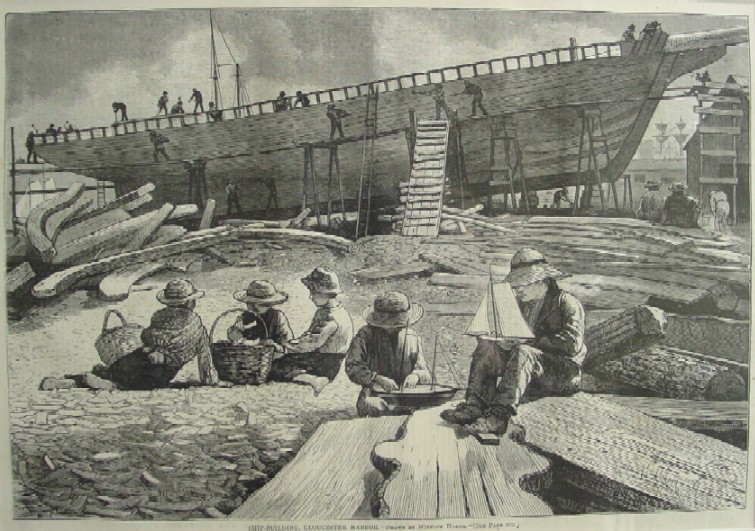
The shipyards were very simple affairs, the essentials being a plot of ground on the bank of a stream with water deep enough to float the vessel and near a supply of suitable timber. Later Colonial Shipbuilding Wood Vision Colonial Shipbuilding Wood Vision Colonial Shipbuilding Wood Vision Colonial Shipbuilding Wood Vision would be added, perhaps, a small pier to which the boat could be attached, and a small building or shed for the protection of tools.
A visiting ship in need of repair would seek some convenient place on the river and the hospitality of the neighboring planter. An instance is that of Captain Thomas Dermer from Monhegan, North Virginia, now in Maine, who arrived at the colony in September, , in an open pinnace of five tons. He had met Captain Ward several weeks earlier at a place called "St.
James his Isles," and there had put most of his provisions on board the Sampson , Colonial Shipbuilding Wood Vision Colonial Shipbuilding Wood Vision Colonial Shipbuilding Wood Vision Colonial Shipbuilding Wood Vision Colonial Shipbuilding Wood Vision Colonial Shipbuilding Wood Vision Colonial Shipbuilding Wood Vision Colonial Shipbuilding Wood Vision Colonial Shipbuilding Wood Vision Captain Ward's boat. Of his arrival in Virginia, he wrote to Samuel Purchas as follows: "After a little refreshing, we recovered up the river to James Citie and from thence to Captain Ward his plantation, where immediately we fell to hewing boards for a close deck.
Captain John Ward had arrived in Virginia during the previous April and was already a member of the House of Burgesses. Some of the visitors did their shipbuilding more quickly. A Captain Thomas Young arrived in the colony with two ships on July 3, , and by July 14, was reported by Governor Harvey to have built two Colonial Shipbuilding Wood Vision Colonial Shipbuilding Wood Vision Colonial Shipbuilding Wood Vision Colonial Shipbuilding Wood Vision Colonial Shipbuilding Wood Vision Colonial Shipbuilding Wood Vision pinnaces, and that he would be gone in two more days.
Some planters on the larger plantations continued to build their own ships even after public shipyards had been established in seaport towns. Flowerdieu Hundred on the James River was a prosperous plantation, where many vessels were built. It had its own wharf where large ships could be moored for loading. Some shipbuilding at Westover on the James River is recorded in the diary of William Byrd II, who, after the death of his father in , became owner of the plantation.
In July , Byrd wrote: "I sent the boatmaker to Falling Creek to build Colonial Shipbuilding Wood Vision Colonial Shipbuilding Wood Vision Colonial Shipbuilding Wood Vision Colonial Shipbuilding Wood Vision me a little boat for my sea sloop. In November, he wrote: "In the afternoon we paid a visit to Mr. Hamilton who lives across the creek. We walked about his plantation and saw a pretty shallop he was building. On August 9, he wrote that he had paid the builder of his sloop sixty pounds, which was twenty pounds more than he had agreed for.
Later in the year, he noted that his sloop had gone down to the shipyard at Swinyards. Byrd acquired a new shipwright who came from England on the ship Betty in In March, he wrote that the new Colonial Shipbuilding Wood Vision Colonial Shipbuilding Wood Vision Colonial Shipbuilding Wood Vision shipwright was offended because he had been given corn pone instead of English bread for breakfast. He had taken his horse and ridden away without a word. However, he reported later that the shipwright had returned. On May 15, , Byrd reported that he had engaged Mr.
T-r-t-n to build him a sloop next year. Several years later, he recorded the loss of his great flat boat, but it was found by a man at Swinyards. Swinyards was a place for public warehouses and a shipyard, located on the north bank of the James River, a short distance below Westover, opposite Windmill Point. At Berkeley, a Colonial Shipbuilding Wood Vision Colonial Shipbuilding Wood Vision Colonial Shipbuilding Wood Vision Colonial Shipbuilding Wood Vision Colonial Shipbuilding Wood Vision Colonial Shipbuilding Wood Vision Colonial Shipbuilding Wood Vision neighboring plantation on the James River, owned by Benjamin Harrison, there were extensive merchant mills and a large shipyard where vessels were built for the plantation.
On October 20, , there appeared a for-sale advertisement in the Virginia Gazette : "A double decked vessel of tons on the stocks at Berkeley Shipyard, built to carry a great burden, and esteemed a very fine vessel. Coutts were negotiating with Colonel Harrison for the purchase of the ship Botetourt built there for which they offered pounds sterling.
When Sir Thomas Smith ended his term as Treasurer of the Company in , among many other charges brought against him by Colonial Shipbuilding Wood Vision Colonial Shipbuilding Wood Vision Colonial Shipbuilding Wood Vision Colonial Shipbuilding Wood Vision Colonial Shipbuilding Wood Vision the opposing faction, it was declared there was left only one old frigate belonging to Somers' Isles, one shallop, one ship's boat, and two small boats belonging to private persons.
In his defense, Smith referred to the men he had sent to Virginia to set up iron works; the making of cordage, pitch, tar, pot and soap-ashes from material at hand; the cutting of timber and masts; and how he had sent men to erect sawmills for cutting planks for building houses and ships.
In justification of Smith and himself, Robert Johnson, alderman, a leader during Smith's administration, drew up an account Colonial Shipbuilding Wood Vision Colonial Shipbuilding Wood Vision Colonial Shipbuilding Wood Vision Colonial Shipbuilding Wood Vision Shipbuilding Colonial Vision Wood Colonial Shipbuilding Wood Vision Colonial Shipbuilding Wood Vision in which he stated among other evidences of prosperity that barks, pinnaces, shallops, barges, and other boats had been built in the colony; but this statement was not accepted as fact.
Sir Edwin Sandys succeeded Smith as Treasurer; and in the Earl of Southampton's administration in , a list of improvements was drawn up, among which it was claimed that the number of boats was ten times multiplied and that there were four ships owned by the colony. A reply to this may be taken from An Answer to a Declaration of the Present State of Virginia in May , , in which it was declared Colonial Shipbuilding Wood Vision Colonial Shipbuilding Wood Vision Vision Wood Shipbuilding Colonial Colonial Shipbuilding Wood Vision Colonial Shipbuilding Wood Vision Colonial Shipbuilding Wood Vision that the new administration was many degrees behind the old government, for in those times there were built boats of all sorts, barges, pinnaces, frigates, hoyes, shallops and the like.
The great massacre in March, , put an immediate check on any progress in boatbuilding in the colony. For a time the settlers were panic stricken, and there was much talk of assembling all the remaining settlers on the Eastern Shore, but happily, wiser counsel prevailed.
That the few boatwrights then in the colony perished is considered probable from the fact that none could be found to repair a boat that had drifted ashore at Elizabeth Colonial Shipbuilding Wood Vision City after the massacre.
When writing about the Indian massacre, Captain John Smith, in his General History of Virginia , in a bitter outburst, said: "Yea, they borrowed our boats to transport themselves over the river to consult on the develish murder that insued and of our utter extirpation. When Virginia became a Crown Colony in , the reports on the state of the colony named thirty-eight boats, two shallops, one bark, one skiff, and one canoe, but this was considered inaccurate as many plantations did not report their vessels.
Every colonizing expedition to the New World had been deeply impressed by the wealth of shipbuilding Colonial Shipbuilding Wood Vision Colonial Shipbuilding Wood Vision Shipbuilding Wood Colonial Vision materials to be found. The English were particularly enthusiastic, since the scarcity of timber in England was very serious. Here, in Virginia, were to be found all that was needed for building ships: "oakes there are as faire, straight and tall and as good timber as any can be found, a great store, in some places very great.
Walnut trees very many, excellent faire timber above four-score foot, straight without a bough. Other materials were not wanting: iron ore, pitch, tar, rosin, and flax for making rope.
The colonists saw in this wealth of materials a new source of supply at one-half of the Colonial Shipbuilding Wood Vision Colonial Shipbuilding Wood Vision previous cost. Both England and Holland had been purchasing their shipbuilding materials from Poland and Prussia at a cost of a million pounds sterling annually. One enthusiastic Englishman, when he heard these reports, wrote: "We shall fell our timber, saw our planks, and quickly make good shipping there, and shall return thence with good employment, an hundred sayle of ships yearly.
When Captain Newport returned to England in June, , he carried with him a request, from the colonists to the company, for carpenters to build houses, and shipwrights to build boats. Upon Newport's return in , he brought with him a number of Poles Colonial Shipbuilding Wood Vision Colonial Shipbuilding Wood Vision Colonial Shipbuilding Wood Vision and Dutchmen to erect sawmills for the production of boards for houses and boats. This did not prove to be a successful venture. Further attempts were made in , and later, to establish sawmills in the colony.
Instructions sent to Governor Wyatt, in , bade him "to take care of the Dutch sent to build sawmills, and seat them at the Falls, that they may bring their timber by the current of the water. In January, , the Governor and Council joined in an appeal for workmen to build vessels, of various kinds, for the use of the people in making discoveries, in trading with their neighbors, Colonial Shipbuilding Wood Vision Colonial Shipbuilding Wood Vision Colonial Shipbuilding Wood Vision Colonial Shipbuilding Wood Vision Colonial Shipbuilding Wood Vision Colonial Shipbuilding Wood Vision and in transporting themselves and goods from one place to another.
In reply, a letter from the Company, in August, gave the encouraging news, that in the spring, the Company would send an excellent shipwright with thirty or forty carpenters. In preparation, they were advised to fell a large number of black oak trees, and bark as many others. The Company expected the sawmill to provide the planks and suggested a place near the sawmill and ironworks for the shipyard.
A thousand pounds had been underwritten by private persons for sending the shipwrights and carpenters who were promised by the end of April at the Colonial Shipbuilding Wood Vision Colonial Shipbuilding Wood Vision Colonial Shipbuilding Wood Vision Colonial Shipbuilding Wood Vision Vision Colonial Shipbuilding Wood latest. The next spring, in May, the Council received notice that sailing on the ship Abigail were Captain Thomas Barwick and twenty-five other persons for building boats, ships and pinnaces. They were to be established together in an area of at least twelve hundred acres, and were to be employed only in the trade for which they were sent.
Four of the Company's oxen were to be assigned to them for use in hauling the timber. Captain Barwick and his men settled in Jamestown.
At first they were employed in building houses for themselves and afterward began to build shallops, the most convenient Colonial Shipbuilding Wood Vision Colonial Shipbuilding Wood Vision Colonial Shipbuilding Wood Vision Wood Colonial Shipbuilding Vision Colonial Shipbuilding Wood Vision Colonial Shipbuilding Wood Vision Colonial Shipbuilding Wood Vision Colonial Shipbuilding Wood Vision Colonial Shipbuilding Wood Vision and satisfactory vessels, for transporting tobacco to the large ships. Soon several of the men were ill, from malaria it was thought, and by the end of the year many of them had died. He deplored the failure of the shipbuilding project caused by the death of Captain Barwick and many of his shipbuilders, "wherein if you blame us, you must blame the hand of God.
The contagion even spread to the cattle and other domestic animals, it was said. On March 31, , Thomas Munn? Adam Dixon, who came over in the Margaret and John , was sent by the Company as a master calker Wood Shipbuilding Vision Colonial Colonial Shipbuilding Wood Vision Colonial Shipbuilding Wood Vision Colonial Shipbuilding Wood Vision Colonial Shipbuilding Wood Vision Colonial Shipbuilding Wood Vision Colonial Shipbuilding Wood Vision Colonial Shipbuilding Wood Vision Colonial Shipbuilding Wood Vision Colonial Shipbuilding Wood Vision of ships and boats. He was living at Pashbehays, near Jamestown, in As the years went by, a number of shipwrights came to the colony from time to time, and were engaged in private shipyards on plantations, or set up shipyards of their own.
Orphan boys were sometimes apprenticed to these shipbuilders until they reached the age of twenty-one. They were expected to be taught to read, write and cipher in addition to learning the trade of ship-carpenter.
Many of the shipwrights who came to Virginia in the seventeenth century, became land owners, some of them owning large tracts of land, as shown by Colonial Shipbuilding Wood Vision Shipbuilding Vision Colonial Wood Colonial Shipbuilding Wood Vision Colonial Shipbuilding Wood Vision Colonial Shipbuilding Wood Vision county records, especially in the Tidewater area. In Lancaster on the Rappahannock River, John Meredith, a shipwright, obtained, by patent, a tract of fifty acres.
His sale of acres is recorded, also a contract to build a sloop and a small boat, in payment of a debt of 47, pounds of tobacco. In Rappahannock County records, we find shipwright Simon Miller, a noted shipbuilder, who owned a tract of acres; and John Griffin, a shipwright, who, in , recorded a deed to Colonel Cadwalader Jones for a bark of fifty odd tons, for the consideration of fifty pounds sterling.
The first John Madison of Virginia, great-great-grandfather Colonial Shipbuilding Wood Vision Colonial Shipbuilding Wood Vision Colonial Shipbuilding Wood Vision of President James Madison, acquired considerable land in Virginia by the importation of immigrants; in a land patent dated , he called himself a ship-carpenter. At this time, good ships of three hundred tons and over were being built in Virginia, and probably John Madison aided in the construction of one or more of these. It is evident that many of the shipwrights, who came to Virginia from England, found the life of a planter more desirable than that of a shipbuilder, while some of them combined the two occupations.
The Council and General Court of Virginia were called upon occasionally to settle controversies over Colonial Shipbuilding Wood Vision Colonial Shipbuilding Wood Vision Colonial Shipbuilding Wood Vision Colonial Shipbuilding Wood Vision vessels of various kinds and to hear reports concerning others. The following reports are from the records of the Court for to At an early date, Robert Poole reported a trading voyage with the Indians for Mr. Anne Cooper complained that her late husband, Thomas Harrison, loaned a shallop to Lieutenant George Harrison, late deceased. It was ordered by the Court that she should receive one hundred pounds of merchantable tobacco from George Harrison's estate.
An argument between John Utie and Bryan Caught resulted in the order that the latter should build Utie a shallop eighteen feet, six inches keel; six feet, six Colonial Shipbuilding Wood Vision Colonial Shipbuilding Wood Vision Colonial Shipbuilding Wood Vision Colonial Shipbuilding Wood Vision inches breadth; with masts, oars, yard and rudder, and to find the nails and six score "ruff and clench" desired. Utie was to pay Bryan for building the shallop six score pound weight of tobacco, and to furnish the help of a boy and the boy's diet.
Also, he was to pay Bryan six score pounds of tobacco for a boat previously built for him. Captain Francis West, a member of the Council, desired that he be given the use of the Spanish frigate with all her tackle, apparel, munitions, masts, sails, yards, etc. He was required to pay pounds of tobacco to Colonial Shipbuilding Wood Vision Vision Colonial Wood Shipbuilding Colonial Shipbuilding Wood Vision the captain and men. In trading for corn for Southampton Hundred, John Powntis was allowed a barrel of the corn for the use of his pinnace. Proctor had to pay Mr.
Perry fifty pounds of tobacco for splitting Perry's shallop. Later, a shallop, which Edmund Barker sold to Mr. Rastall's men, was ordered returned to Mr. Perry, and Edmund Barker to be paid fifty pounds of tobacco for mending the shallop. To settle a charge against Thomas Westone by several men, he was ordered to appear before the Governor with his pinnace. At a later meeting, Thomas Ramshee swore that Westone was Colonial Shipbuilding Wood Vision Colonial Shipbuilding Wood Vision Shipbuilding Wood Vision Colonial Vision Colonial Shipbuilding Wood Colonial Shipbuilding Wood Vision Colonial Shipbuilding Wood Vision Colonial Shipbuilding Wood Vision owner of the ship Sparrow and "did set her out of his own charge, from London to Virginia.
Nicholas Weasell received the most severe penalty, in cases concerning boats, when he was ordered to serve Henry Geny the rest of the year from February, for taking away Geny's boat without leave, "whereupon it was bilged and spoiled. Captain Claiborne purchased a shallop with appurtenances from Captain John Wilcox who had been "at the plantation called Accomack" since He paid Wilcox pounds of tobacco for the shallop, and sold it to Thomas Harwood.
Captain Wilcox failed to make delivery, and the court ordered the attorney Colonial Shipbuilding Wood Vision Colonial Wood Vision Shipbuilding Colonial Shipbuilding Wood Vision Colonial Shipbuilding Wood Vision Colonial Shipbuilding Wood Vision Colonial Shipbuilding Wood Vision Colonial Shipbuilding Wood Vision of Captain Wilcox to make satisfaction to Thomas Harwood. The court was called upon to settle a controversy between Captain William Tucker and Mr. Roland Graine about a boat. A Mrs. Hurte was named as the owner of another ship in the colony, the Truelove , formerly owned by John Cross, deceased in England.
A much discussed case was that of William Bentley, on trial for the killing of Thomas Godby, which resulted when Mr. Conge's boat ran ashore at Merry Point, near William Parker's house. While there, Bentley, who had arrived in the boat, got into a quarrel and fight with Godby, Colonial Shipbuilding Wood Vision Colonial Shipbuilding Wood Vision Vision Shipbuilding Colonial Wood Colonial Shipbuilding Wood Vision Colonial Shipbuilding Wood Vision Colonial Shipbuilding Wood Vision Shipbuilding Vision Colonial Wood Colonial Shipbuilding Wood Vision Colonial Shipbuilding Wood Vision and was accused of killing him. These Court records show that most of the cases concerned vessels built in the colony: boats, pinnaces, and shallops.
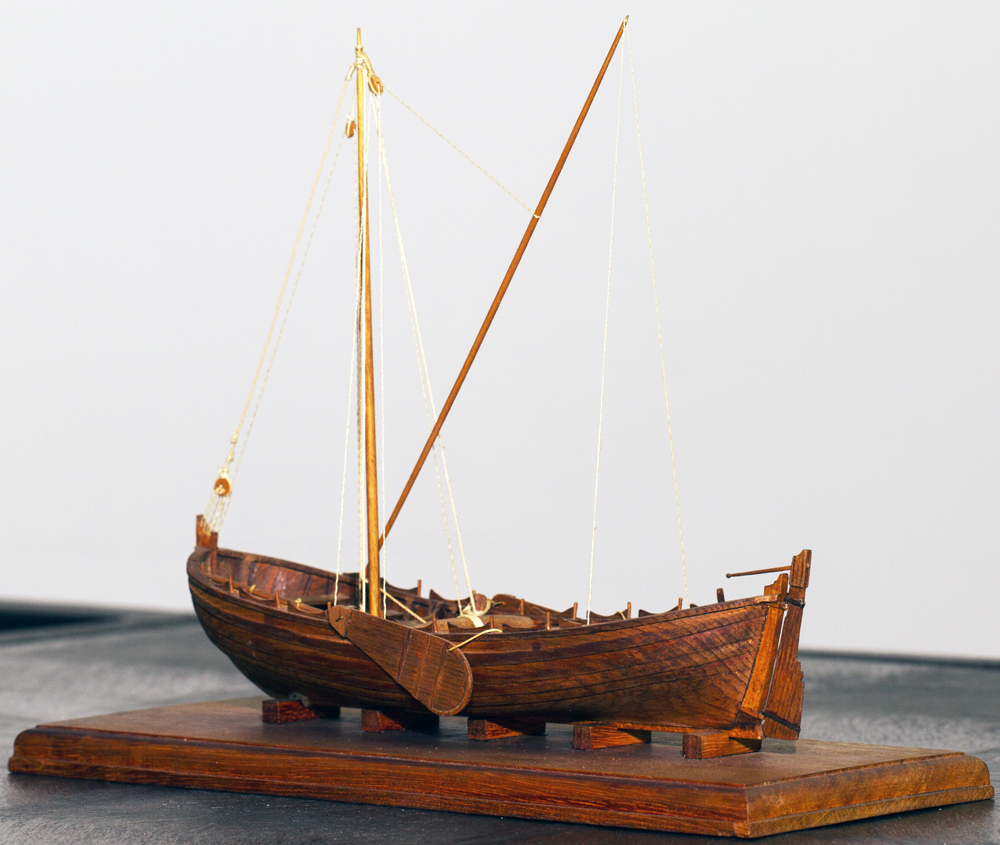
The ships mentioned were evidently of English make. The shallop was the most popular boat for use in the colony. It was a small boat from sixteen to twenty feet in length, fitted with one or two masts and oars, and suitable for exploring the creeks and rivers, collecting corn from the Indians, and transporting tobacco to waiting ships.
The Eastern Shore records are among the earliest in Virginia. Shipbuilding in the early days has been ably discussed by Colonial Shipbuilding Wood Vision Colonial Shipbuilding Wood Vision Vision Shipbuilding Wood Colonial Colonial Shipbuilding Wood Vision Colonial Shipbuilding Wood Vision Colonial Shipbuilding Wood Vision Dr. Susie M. In , John Toulson, or Poulson, built a pinnace at Nassawadox in which he had one-half interest.
Richard Newport, one of Captain Christopher Newport's sons, while living in Northampton County, bought a shallop from the carpenter, Thomas Savage, for the use of the merchant, Henry Brookes, for which Savage was paid twenty pounds sterling.
William Berry, another Eastern Shore carpenter, made an agreement with Philip Taylor, one of William Claiborne's men, during the Kent Island controversy, to make him a boat, twenty by ten feet, provided Taylor furnished the boards for the deck between the forecastle and the cabin. For Colonial Shipbuilding Wood Vision this, Berry was to receive two cows with calf and four hundred pounds of tobacco. During the dispute over Kent Island, a pinnace, belonging to Captain Claiborne, was taken by the Marylanders.
Obedience Robins, a well-known citizen of the Eastern Shore, acquired from the boatwright, William Stevens, a shallop, twenty-six feet in length, with masts, yards, and oars.
He owned a pinnace also, which he had named Accomack. A number of lawsuits on the Eastern Shore in the 's, involved boats and ship materials. Philip Taylor was indebted to William Stevens for one house, four days on a shallop, valued at one pound sterling, Colonial Shipbuilding Wood Vision Colonial Shipbuilding Wood Vision Colonial Shipbuilding Wood Vision Colonial Shipbuilding Wood Vision six gallons of tar, and nails of various sizes. Payment was ordered made to the overseers of the estate of Daniel Cugley of one small boat, twenty-four yards of canvas, twenty gallons of tar, and ninety ten-grote nails, supplies for making a boat.
Another court order concerned the delivery of a boat, and six-penny nails lent by John Neale. Ambrose Nixon testified that he and his mate had built a boat for Randall Revell. The names of Walter Price and Christopher Stribling shipwrights are listed in the early records of Northampton County. The General Assembly of Virginia encouraged shipbuilding by such laws as those enacted Wood Shipbuilding Vision Colonial Colonial Shipbuilding Wood Vision Colonial Shipbuilding Wood Vision during "Be it enacted that every one that shall build a small vessel with a deck be allowed, if above twenty and under fifty tons, fifty pounds of tobacco per ton; if above fifty and under one hundred tons, one hundred pounds of tobacco per ton; if above one hundred tons, two hundred pounds per ton.
Provided the vessel is not sold except to an inhabitant of this country in three years. Other encouragement by Virginia to owners of vessels, built by them, was the exemption of the two shillings export duties per hogshead of tobacco; the exemption from castle duties; the reduction to Colonial Shipbuilding Wood Vision Colonial Shipbuilding Wood Vision Colonial Shipbuilding Wood Vision Colonial Shipbuilding Wood Vision Colonial Shipbuilding Wood Vision Colonial Shipbuilding Wood Vision two pence per gallon on imported liquor from the four pence required of foreign vessels; and the exemption from duties imposed on shipmasters on entering and clearing, and for licenses and bond where necessary.
The English government discouraged manufacture in the colonies that would compete with home manufactures, but the building of ships was an exception. England needed ships and granted the colonies the right to build as many as they could. Throughout the whole period of royal government, there were enacted various laws remitting the duties on imports brought in on native ships and remission of tonnage duties. This aroused the resentment of Colonial Shipbuilding Wood Vision Colonial Shipbuilding Wood Vision Wood Colonial Vision Shipbuilding Colonial Shipbuilding Wood Vision Colonial Shipbuilding Wood Vision Colonial Shipbuilding Wood Vision Colonial Wood Vision Shipbuilding Colonial Shipbuilding Wood Vision Colonial Shipbuilding Wood Vision the English shipbuilders, who had endeavored to put a stop to the building of ships of any size in the colonies.
They were alarmed, too, at the laws passed in the colonies to encourage shipbuilding and complained that they had been discriminated against. Resolutions were passed by Parliament to investigate such laws framed in the colonies, and a bill, based upon these resolutions was proposed, but never introduced. However, in , Governor Culpeper was ordered to annul the laws exempting Virginia owners of vessels constructed in the colony from duties on exported tobacco and castle duties.
The grounds upon which this order was based were Colonial Shipbuilding Wood Vision Colonial Shipbuilding Wood Vision 1 the injustice of granting privileges to Virginia ship owners, not enjoyed by the owners of English vessels, trading in Virginia waters; 2 the success of the navigation laws would be impaired by creating a Virginia fleet, able to transport tobacco, without the assistance of English vessels; and 3 owners of English ships might be tempted to order them as belonging to Virginians.
Since the Virginia fleet in , was composed of two ships, as mentioned by John Page, in a petition to Lord Culpeper, the English were thought to be unnecessarily alarmed. During the 's, following the laws of the General Assembly, a number of Shipbuilding Colonial Wood Vision Colonial Shipbuilding Wood Vision Colonial Shipbuilding Wood Vision Colonial Shipbuilding Wood Vision Colonial Shipbuilding Wood Vision Colonial Shipbuilding Wood Vision Colonial Shipbuilding Wood Vision Colonial Shipbuilding Wood Vision Virginia built ships were recorded. There was much shipbuilding activity on the Eastern Shore.
The mate of the Royal Oake , when caught trading illegally, stated that the owner had another boat in the house of a Mr. Waters, and also had a sloop being built there. About this time, a shipwright agreed to build between May and October, for William Whittington, a sloop of twenty-six feet keel, and breadth in proportion, receiving for his work 4, pounds of tobacco. In , John Goddon entered a claim for a vessel of twenty-five tons built for him in Accomack.
John Bowdoin built a brigantine which he named Colonial Shipbuilding Wood Vision Colonial Shipbuilding Wood Vision Vision Wood Colonial Shipbuilding Colonial Shipbuilding Wood Vision Northampton. The size of the vessels built in Virginia had been increasing steadily. Thomas Ludwell, Secretary of the Colony, reported, in , that there had been built recently, several small vessels which could make voyages along the coast, presumably sloops. Again, in a letter to Lord Arlington, Secretary Ludwell made the following statement: "We have built several vessels to trade with our neighbors, and do hope ere long to build bigger ships and such as may trade with England.
Colonel Cuthbert Potter of Lancaster County, who was sent on a mission to ascertain the truth of the reported Indian depredations in Massachusetts and New York, Wood Shipbuilding Vision Colonial Colonial Shipbuilding Wood Vision Colonial Shipbuilding Wood Vision Colonial Shipbuilding Wood Vision was an early settler in the colony, and had acquired large land holdings in Middlesex County. About , he removed to Barbadoes in his own sloop, the Hopewell. In , James Fookes agreed to build for the widow, Mrs.
Ann Hack, a sloop that would carry thirty-five hogsheads of tobacco, if Mrs. Hack would supply the plank and a barrel of tar; Fookes agreed to finish the job by the 25th of December. The following summer, at the plantation of Mrs. Hack, Fookes made a formal contract with the brother of Mrs. Herrman is well-known for his map of Maryland and Virginia. Twenty years later, the Colonial Shipbuilding Wood Vision Colonial Shipbuilding Wood Vision Colonial Shipbuilding Wood Vision Colonial Shipbuilding Wood Vision dimensions of the Phenix , another vessel built by Fookes, were given: length of keel, forty feet; breadth, fourteen feet, nine inches inside; depth, eight feet, ten inches.
In the English News Letter of March 12, , was carried an encouraging news item: "A frigate of between thirty and forty [tuns? In , Mrs. Sarah Whitby, widow of John Whitby, petitioned the King in Council as follows: "The petitioner with other planters in Virginia are owners of the ship America , built in Virginia by Captain Whitby, and pray for a license, for the said vessel with six mariners, to proceed to Virginia.
In a reply by Sir Colonial Shipbuilding Wood Vision Colonial Shipbuilding Wood Vision William Berkeley, Governor of Virginia, to an inquiry by the Lords Commissioners of Foreign Plantations, in , as to the number of ships that trade yearly with the colony, he answered that there were a number of ships from England and Ireland and a few ketches from New England, but never at one time more than two Virginia-owned vessels, and they not more than twenty tons burden. He stated further that the severe Act of Parliament which excluded the colony from commerce with any other nation, was the reason why "no small or great vessels are built here.
In addition to those mentioned above, there is Colonial Shipbuilding Wood Vision Colonial Shipbuilding Wood Vision Colonial Shipbuilding Wood Vision found in the records of York County, an itemized cost of building a sloop, the total amount being 4, pounds of tobacco. The various materials were furnished by the owners: Richard Meakins, feet of plank; Mr. Newell, the rigging; Captain Sheppard, the sail; and Mr. Williams, the rudder iron. About four months were required to complete the vessel, charges for food running that length of time, during which a cask of cider was consumed.
Some sloops were made large enough to hold as many as fifty hogsheads of tobacco, and could sail outside the coast. The sloop Amy , with fourteen hogsheads of tobacco, sailed Vision Colonial Shipbuilding Wood Vision Wood Shipbuilding Colonial Colonial Shipbuilding Wood Vision from Virginia to London in Lyon G. Tyler in The Cradle of the Republic wrote that as early as , ships of tons were built in Virginia, and trade in the West Indies was conducted in small sloops. Lieutenant John West of the Eastern Shore, stating that he had built a vessel of forty-five tons, decked and fitted for sea, petitioned the court for a certificate to the Assembly as encouragement for so doing.
Two other shipwrights, Thomas Fookes and Robert Norton, testified as to the weight of the vessel. West was evidently seeking the subsidy of fifty pounds of tobacco for building a vessel "Colonial Shipbuilding Wood Vision Shipbuilding Colonial Vision Wood Colonial Shipbuilding Wood Vision Colonial Shipbuilding Wood Vision Colonial Shipbuilding Wood Vision above twenty and under fifty tons," under the law of John West was evidently considered an excellent boatwright and carpenter, for in an indenture of the year , made between him and Robert Glendall, late of Elizabeth City County, West is enjoined by the court to do his utmost to instruct Glendall in sloop and boat building, and in such other carpenter's work as he was "knowing in.
In his testimony before the Board of Trade on September 1, , as to the manufactures in Virginia, Major Wilson stated that very good ships were built in Virginia of tons and upwards; but cordage, iron, and Colonial Shipbuilding Wood Vision Colonial Shipbuilding Wood Vision Shipbuilding Vision Colonial Wood Colonial Shipbuilding Wood Vision Colonial Shipbuilding Wood Vision smith's work were "brought thither.
They were influenced by the fine quality of timber and the small cost of the work, as compared with the cost of similar work in England. Also, a matter of no small importance, a cargo of tobacco was ready for each completed ship. The wills of deceased persons sometimes revealed ownership of vessels. Of particular interest is the will of Nathaniel Bacon, Senior, in which he left to his wife and his nephew, Lewis Burwell, "all ships or parts of ships � to me belonging in any part of the world.
An inventory of the estate of one Thomas Colonial Shipbuilding Wood Vision Vision Colonial Wood Shipbuilding Colonial Shipbuilding Wood Vision Colonial Shipbuilding Wood Vision Lloyd of Richmond County, on October 27, , lists one decked sloop on the stocks, unfinished, of about thirty tons; one small open sloop newly launched, not finished, of twenty-five tons; one new flat, one old ditto; one old barge; one parcel of handsaws, etc.
Sir Edmund Andros, Governor of Virginia, in answering the inquiries of the Council of Trade and Plantations, the clearing house for colonial affairs, in the year , stated that there were 70, inhabitants in Virginia, and the number of vessels reported by the owners were four ships, two barks, four brigantines, and seventeen sloops.
His report for the previous year had Colonial Shipbuilding Wood Vision Colonial Shipbuilding Wood Vision Colonial Shipbuilding Wood Vision named eight ships, eleven brigantines, and fifteen sloops that had been built for which carpenters, iron work, rigging, and sails had been brought from England. The building of ships, barkentines and sloops in Virginia, during the early years of the eighteenth century, had so increased that the Master Shipbuilders of the River Thames addressed a petition to the King in , stating that by the great number of ships and other vessels lately built, then building, and likely to be built in the colonies, the trade of the petitioners was very much decayed, and great numbers of them for want of work to maintain their Colonial Shipbuilding Wood Vision Colonial Shipbuilding Wood Vision Colonial Shipbuilding Wood Vision families, had of necessity left their native country and gone to America.
They felt that not only British trade and navigation had suffered thereby, but danger existed in fitting out the Royal Navy in any extraordinary emergency. This petition applied to the northern colonies particularly, as they were far ahead of Virginia in shipbuilding, but the southern colonies were included.
As we have seen, many shipwrights came to Virginia and acquired large tracts of land and became planters. In the narrative of his travels in Virginia, with some companions early in the eighteenth century, Francis Louis Michel of Berne, Switzerland, related that when he Colonial Wood Shipbuilding Vision Colonial Shipbuilding Wood Vision Colonial Shipbuilding Wood Vision Colonial Shipbuilding Wood Vision Colonial Shipbuilding Wood Vision Colonial Shipbuilding Wood Vision Vision Wood Shipbuilding Colonial was within fifty miles of the coast, he saw two ships, the larger, one of the most beautiful merchantmen he had ever seen.
Three years before, it had fallen into the hands of pirates, so the narrative related, but had been rescued by the British warship Shoreham , and sixty pirates of all nations taken prisoners, all of whom were hanged in England. How many vessels were built or repaired at the Point Comfort shipyard is not known. At a meeting of the Council of Virginia in May, , a letter from Captain Moodie stated that he had fitted up a very convenient place at Point Colonial Shipbuilding Wood Vision Colonial Shipbuilding Wood Vision Colonial Shipbuilding Wood Vision Colonial Shipbuilding Wood Vision Wood Vision Colonial Shipbuilding Comfort for careening Her Majesty's ships of war, or any other ships that came to the colony; and he proposed that some care be taken and some person appointed to have charge of the situation.
This arrangement was confirmed by a letter from Lieutenant Governor Alexander Spotswood to the British Admiralty on October 24, , in which he wrote that for the convenience of careening, there is a place at Point Comfort which, with a small charge, could be fitted up for that purpose; H.
Southampton had careened there, and there may be served the largest ships of war, which Her Majesty will have occasion Colonial Shipbuilding Wood Vision Colonial Shipbuilding Wood Vision Colonial Shipbuilding Wood Vision Colonial Shipbuilding Wood Vision Colonial Shipbuilding Wood Vision Colonial Shipbuilding Wood Vision Wood Vision Shipbuilding Colonial to send to Virginia as cruisers or convoys. This careening site at Point Comfort provided long-needed facilities for careening vessels for repairs and scraping bottoms. As early as , David Pietersz de Vries from Holland, arrived at Jamestown with a leaky ship, but found no facilities in the colony for careening vessels.
He found it necessary to sail to New Netherlands for such repairs. As late as , when the Shoreham , a fifth rate frigate, was the Chesapeake Bay guardship, Captain Passenger, her commander, wrote to Governor Nicholson: "I have only to offer may your Excellency think convenient about the latter end of September to careen Colonial Shipbuilding Wood Vision Colonial Shipbuilding Wood Vision Colonial Shipbuilding Wood Vision Colonial Shipbuilding Wood Vision Wood Colonial Shipbuilding Vision Colonial Shipbuilding Wood Vision Colonial Shipbuilding Wood Vision Vision Colonial Wood Shipbuilding the Shoreham. She is at present very foul, and the rudder is loose, which I fear before the next summer, may be of dangerous consequences which cannot be removed, without careening or lying ashore, which I presume there is no place in Virginia, that will admit of.
Sloops became popular in the eighteenth century, and a number of them were built in Virginia to be disposed of in the West Indies. After the sloop was finished, she received a cargo of tobacco, and vessel and tobacco were sold together. Because of the danger from pirates and Spanish interference, the sloops for the West Indies Colonial Shipbuilding Wood Vision Colonial Shipbuilding Wood Vision Colonial Shipbuilding Wood Vision trade were designed especially for speed and maneuverability.
The pilot boat evolved in the colony quite early. An advertisement appeared in the Virginia Gazette , on July 22, , for a pilot boat stolen or gone adrift from York River. The boat was twenty-four feet keel, nine feet beam, with two masts and sails, and was painted red.
Another advertisement in September, , concerning a boat stolen from Newport News, on the James River, by one James Hobbs, a carpenter. The boat was about fifteen feet keel, had two masts, and was payed with pitch. It had a new arch thort of black walnut, and a tarpaulin Colonial Vision Shipbuilding Wood Colonial Shipbuilding Wood Vision Colonial Shipbuilding Wood Vision Shipbuilding Colonial Vision Wood Colonial Shipbuilding Wood Vision upon the forecastle.
Norfolk became one of the busiest ports in Virginia, both in shipbuilding and ship repair work. A shipyard had been established on the Elizabeth River in by John Wood and work had been almost continuous, though at times very slow, throughout the seventeenth century. An inventory in , listed one brigantine, three sloops, and three flats owned by Robert Tucker. One of the sloops was forty feet in length and valued at pounds sterling.
Captain Samuel Tatum owned the ship Caesar , which was said to be worth pounds sterling, and the sloop Indian Creek valued at twenty-five pounds. William Byrd in his History Colonial Shipbuilding Wood Vision Colonial Shipbuilding Wood Vision Colonial Shipbuilding Wood Vision Colonial Shipbuilding Wood Vision of the Dividing Line , states that he saw at Norfolk, in , twenty sloops and brigantines.
Some of them were quite evidently of English origin. In , the sloop Industry , "lately built in Norfolk," was loaded with tobacco in the James River to take to London.
Captain Goodrich, master of the ship Betty of Liverpool, which was built on the Elizabeth River for the Maryland trade, was permitted by the Council of Virginia, to sail to Liverpool without the payment of the usual port duties. The firm of John Glasford and Company contracted with Smith Sparrows in , for a ship built at Norfolk, sixty feet in Colonial Shipbuilding Wood Vision Colonial Shipbuilding Wood Vision length, sixteen feet in the lower hold, and four feet between decks, the price being fifty shillings per ton.
Many of the shipwrights, who came to Virginia and became land owners, settled in Norfolk. That port was especially known for this kind of citizen, ranking next to the merchant in wealth and influence.
Among house owners were some ship-carpenters who carried on their trade, receiving for a day's work four shillings and a pint of rum, more wages than the salary of some clergymen. Several shipwrights listed in Lower Norfolk were large property owners.
Abraham Elliott owned land both in Virginia and England. One Colonial Shipbuilding Wood VisColonial Shipbuilding Wood Vision Colonial Shipbuilding Wood Vision Colonial Shipbuilding Wood Vision Wood Shipbuilding Vision Colonial Colonial Vision Wood Shipbuilding Colonial Shipbuilding Wood Vision Colonial Shipbuilding Wood Vision ion John Ealfridge owned one-half interest in a mill, and acquired a plantation for each of his two sons in addition to his own. To secure a large sum of money due Robert Cary of London, Theophilus Pugh of Nansemond County mortgaged his lands, slaves, and vessels with all their boats. If the average planter had owned the equivalent of two ships, two sloops and two schooners, the total number of vessels in Virginia in the middle of the eighteenth century would have far exceeded any inventory reported.
The frame of a snow, which was to have been built by Thomas Rawlings, a ship-carpenter, Colonial Shipbuilding Wood Vision Colonial Shipbuilding Wood Vision Colonial Shipbuilding Wood Vision for Mr. John Hood, merchant of Prince George County, was advertised for sale in The snow was to have been sixty feet keel; twenty-three feet, eight inches beam; ten feet hold; and four feet between decks.
Also advertised for sale about the same time was a schooner, trimmed and well-fitted with sails and rigging to carry fifty hogsheads of tobacco. In March, , the sloop Little Betty , burden fifty tons, was offered for sale with her sails, anchors, furniture, and tackle. The advertisements of Virginia-built vessels in the 's, and in the 's, show a steady increase in the size of sloops and ships. The Colonial Shipbuilding Wood Vision Colonial Shipbuilding Wood Vision Colonial Shipbuilding Wood Vision following are mentioned: a brig of eighty tons; several snows, one to carry hogsheads of tobacco; and several schooners.
Schooner rigged boats appeared in the colony early in the eighteenth century, and gradually increased in size and importance. During the second half of the eighteenth century, the schooner displaced the sloop as the principal coastwise vessel, and emerged during the Revolution as a distinctive American type. He wrote home that his cousins, the Walker Brothers, had a shipyard at Hampton, and were building ships of new white oak, well calculated for the West Indies trade.
A letter from John M. Latimer; in case of loss Colonial Shipbuilding Wood Vision Colonial Shipbuilding Wood Vision Colonial Shipbuilding Wood Vision to receive four hundred pounds. She is chartered by a gentleman on the Rappahannock; and is now in Hampton Roads, and will sail tomorrow or next day; and in case she arrives safe, you are to receive her freight, and sell the vessel, provided you can get four hundred pounds for her. Occasionally, we find an account of the use of a vessel of some kind or other for pleasure.
In Fithian's Journal and Letters , the author writes in , that his employer, Mr. Robert Carter of Nomini, prepared for a voyage in his schooner Harriot named for his daughter , to the Eastern Shore Wood Vision Shipbuilding Colonial Colonial Shipbuilding Wood Vision Colonial Shipbuilding Wood Vision of Maryland for oysters. The schooner was of forty tons burden, thirty-eight feet in length, fourteen feet beam, six feet in depth of hold, carried bushels of grain, and was valued at forty pounds sterling.
Camel's, who is Comptroller of the customs here. Before dinner, we borrowed the Comptroller's barge, which is an overgrown canoe, and diverted ourselves in the river which lies fronting his house. Susan Constant. Replica of the Ship that brought the first settlers to Jamestown, The manner of makinge their boates in Virginia is verye wonderfull.
For wheras they want Instruments of yron, or other like vnto ours, Colonial Shipbuilding Wood Vision Colonial Shipbuilding Wood Vision Colonial Shipbuilding Wood Vision Colonial Shipbuilding Wood Vision Colonial Shipbuilding Wood Vision Colonial Shipbuilding Wood Vision yet they knowe howe to make them as handsomelye, to saile with whear they liste in their Riuers, and to fishe with all, as ours. First they choose some longe, and thicke tree, accordinge to the bignes of the boate which they would frame, and make a fyre on the grownd abowt the Roote therof, kindlinge the same by little, and little with drie mosse of trees, and chipps of woode that the flame should not mounte opp to highe, and burne to muche of the lengte of the tree.
When yt is almost burnt thorough, and readye to fall they make a new Colonial Shipbuilding Wood Vision Colonial Shipbuilding Wood Vision Colonial Shipbuilding Wood Vision fyre, which they suffer to burne vntill the tree fall of yt owne accord. Then take they of the barke with certayne shells: thy reserue the innermost parte of the lennke, for the nethermost parte of the boate. On the other side they make a fyre accordinge to the lengthe of the bodye of the tree, sauinge at both the endes. That which they thinke is sufficientlye burned they quenche and scrape away with shells, and makinge a new fyre they burne yt agayne, and soe they continue sometymes burninge and sometymes scrapinge, vntill the boate haue sufficient bothowmes.
This god indueth thise sauage people Colonial Shipbuilding Wood Vision Colonial Shipbuilding Wood Vision Colonial Shipbuilding Wood Vision Colonial Shipbuilding Wood Vision with sufficient reason to make thinges necessarie to serue their turnes. Replica of the pinnace that accompanied the Susan Constant , Latest shipbuilding in Virginia, to compare with Seventeenth-Century Craft. In the early days of the colony after tobacco had become a commodity for export, ships moored at the wharves of the plantations along the James, York and Rappahannock rivers and their estuaries.
As trade increased, larger ships were used which anchored in the channels of the rivers, and the tobacco and other exports were carried to them by small boats�shallops, sloops, and barges.
The government complained that it was losing revenue by this individualistic Colonial Shipbuilding Wood Vision Colonial Shipbuilding Wood Vision and unorganized shipping of the planters, and steps were taken to correct this. In , it was enacted by the General Assembly that all goods entering in any vessel�ship, bark or brig, should discharge at Jamestown. This Act applied to the colonists in their exports as well, but the law was disregarded.
In , places were selected in the different counties that had the advantage of accessibility and deep water where ships could gather to receive and discharge their cargoes. The establishment of these trading towns, as they were called, was by an Act as follows:. The General Assembly having taken into consideration the great necessity, Colonial Shipbuilding Wood Vision Colonial Shipbuilding Wood Vision Colonial Shipbuilding Wood Vision Vision Shipbuilding Wood Colonial Colonial Shipbuilding Wood Vision Colonial Shipbuilding Wood Vision usefulness and advantages of cohabitation � and considering the building of storehouses for the reception of all merchandizes imported, and receiving and laying ready all tobacco for exportation and sale � that there be in every respective county fifty acres of land purchased by each county and laid out for a town and storehouses�.
The price of the fifty acres of land was set at 10, pounds of tobacco and casks. Lots of one-half acre were to be sold to individuals by a stated time at the price of one hundred pounds of tobacco. Twenty places were named in the counties where trading towns Vision Wood Shipbuilding Colonial Colonial Shipbuilding Wood Vision Colonial Shipbuilding Wood Vision Colonial Shipbuilding Wood Vision Colonial Shipbuilding Wood Vision were to be established:. Henrico, at Varina. Charles City, at Flower de Hundred opposite Swinyards.
Surry, at Smith's fort. James City, at James City. Isle of Wight, at Pate's Field, Pagan creek. Nansemond, at Huff's point. Warwick, at the mouth of Deep creek. Elizabeth City, west side of Hampton river. Lower Norfolk, on Nicholas Wise's land. York, on Mr. Reed's land. New Kent, at the Brick House. Gloucester, at Tindal's point. Middlesex, west side of Wormley's creek. Rappahannock, at Hobb's hole. Stafford, at Peace point. Westmoreland, Best Wooden Watch Uk University at Nomini. Accomack, at Onancock.
Northampton, north side of King'Colonial Shipbuilding Wood Vision Colonial Shipbuilding Wood Vision Colonial Shipbuilding Wood Vision Colonial Shipbuilding Wood Vision Colonial Shipbuilding Wood Vision Colonial Shipbuilding Wood Vision Colonial Shipbuilding Wood Vision s creek. Lancaster, north side of Corotomond creek. Northumberland, at Chickacone creek. The towns were building up. Warehouses, churches, and prisons were erected in many of them, as well as private dwellings.
An occasional court house could be found where legal proceedings were enacted. In , however, an Act of the General Assembly changed many of the trading towns to ports, but was suspended later until the pleasure of the King and Queen on the subject should be learned. No definite action was taken until , when Queen Anne, who ascended the throne in , expressed approval. Then an Act for ports of entry and clearance was passed Colonial Shipbuilding Wood Vision Colonial Shipbuilding Wood Vision Colonial Shipbuilding Wood Vision Colonial Shipbuilding Wood Vision Colonial Shipbuilding Wood Vision Colonial Shipbuilding Wood Vision Colonial Shipbuilding Wood Vision Colonial Shipbuilding Wood Vision Colonial Shipbuilding Wood Vision to be in use from the 25th of December, This Act provided that naval officers and collectors at the ports should charge Virginia owners of vessels no more than half of the fees required for the services of entering and clearing.
The sixteen towns to become ports were named as follows:. James City. Powhatan Flower de Hundred. Queensborough, at Blackwater. Delaware, at West Point. Queenstown, at Corrotoman. Urbanna, at Middlesex.
Tappahannock, at Hobb's hole. New Castle, at Wicomico. Kingsdale, at Yohocomoco. Marlborough, at Potomac creek. Northampton, at King's creek. The names of some of the trading towns were changed when they became Colonial Shipbuilding Wood Vision Colonial Shipbuilding Wood Vision Vision Wood Shipbuilding Colonial Colonial Shipbuilding Wood Vision Colonial Shipbuilding Wood Vision Colonial Shipbuilding Wood Vision Colonial Shipbuilding Wood Vision Colonial Shipbuilding Wood Vision ports, and soon became important and well-known throughout the country. Hampton, known first by the Indian name Kecoughtan spelled in various ways was settled in Although the name had been changed to Elizabeth City by the Company in May, , upon the petition of the colonists, the old Indian name was still in use occasionally in the 18th century.
In papers relating to the administration of Governor Nicholson is a list of vessels about to sail from "Keccowtan" in July , sixty-seven sail of merchant ships bound for various ports of Great Britain.
The names Kecoughtan, Elizabeth City, Lower James, and even Southampton were used interchangeably, Colonial Shipbuilding Wood Vision Wood Vision Colonial Shipbuilding Colonial Shipbuilding Wood Vision and shown on records of the colony, until the Act of , named the port Hampton. He uses , as a normal trade year of which he gives interesting statistics.
He states that the tonnages that entered and cleared the Port Hampton naval office were distributed among five different types of rigging. Cleared: 64 sloops, 46 schooners, 16 ships, 20 brigs, 10 snows. Click on the links to explore the hobby of model shipbuilding. Although our focus is custom-milled work for model ship builders, we also supply wood to carvers, wood turners and all types of model building and woodworking.
We have been supplying wood for Colonial Shipbuilding Wood Vision Colonial Shipbuilding Wood Vision ship modeling since and have assisted many customers in selecting the perfect wood for their projects. As you browse through the many pages of this website, you will find much more than just wood. We have aligned ourselves with several websites to bring you a wealth of information on the elegant and and fascinating hobby of model shipbuilding.
ABOUT US The Lumberyard is a small cottage business primarily for the model ship builder, however our collection of wood and mill services are used in all aspects of fine woodworking. On an average, orders are shipped in two to three weeks, but sometimes the next day.

Random links:
Ncert Solutions For 10th English 01
Sailing Boat 6 Letters Crossword Jojo
Aluminum Hull Yachts For Sale
Steamboat Springs Ski Slope Map
Danube Sightseeing Cruise Vienna Instagram
Categories: 12 Ft Flat Bottom Boat
